
American Samoa, South Pacific
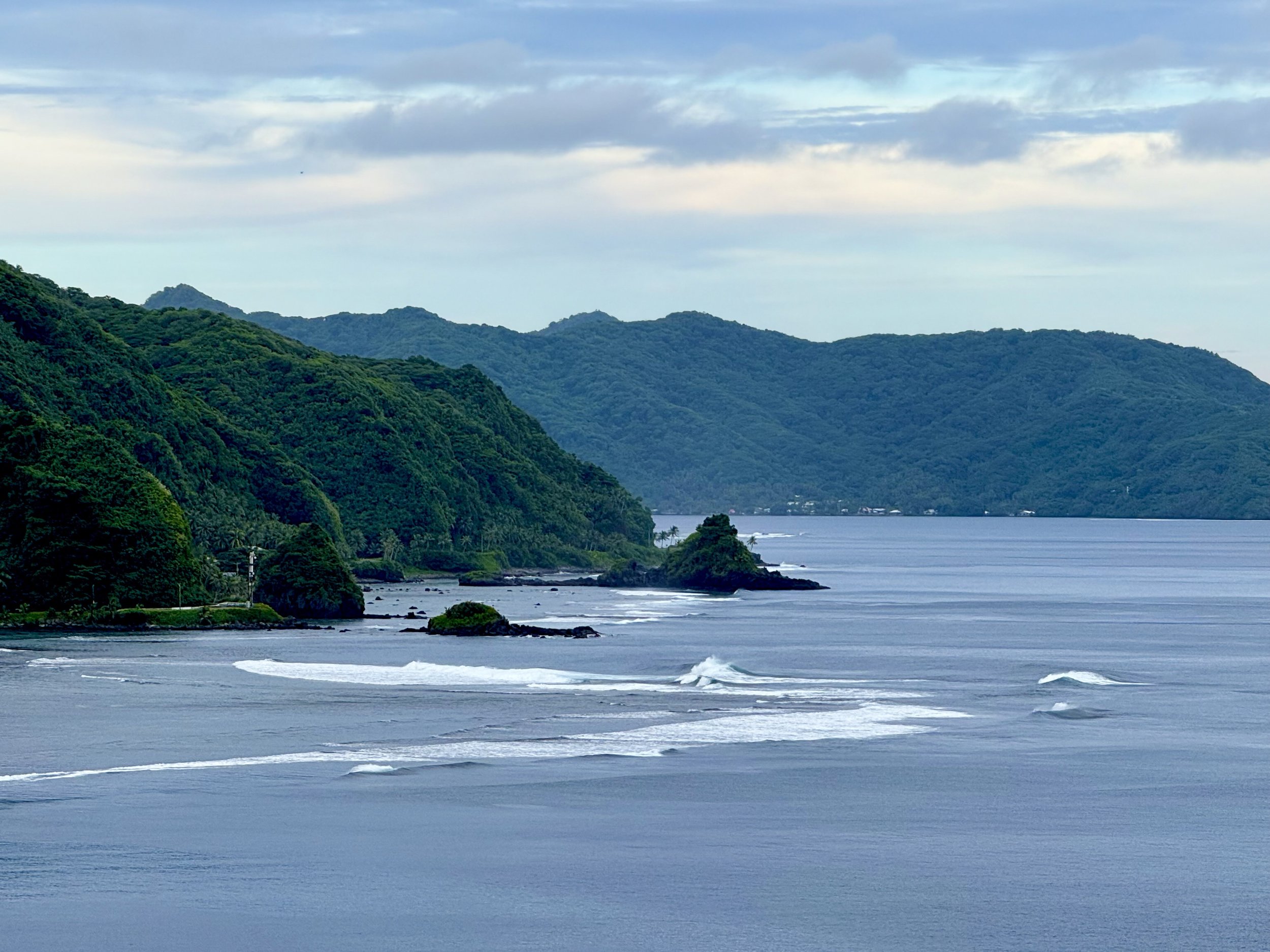
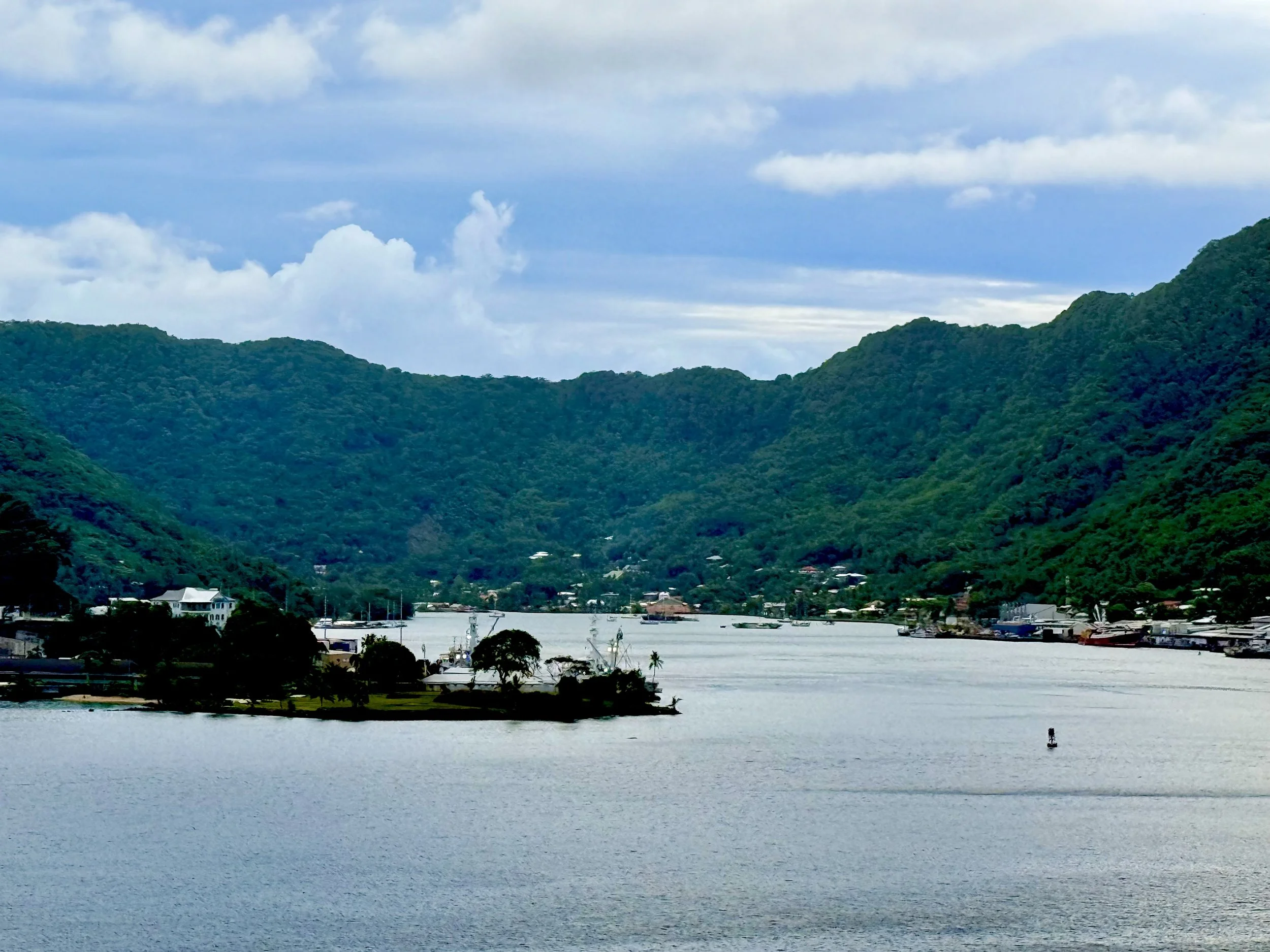
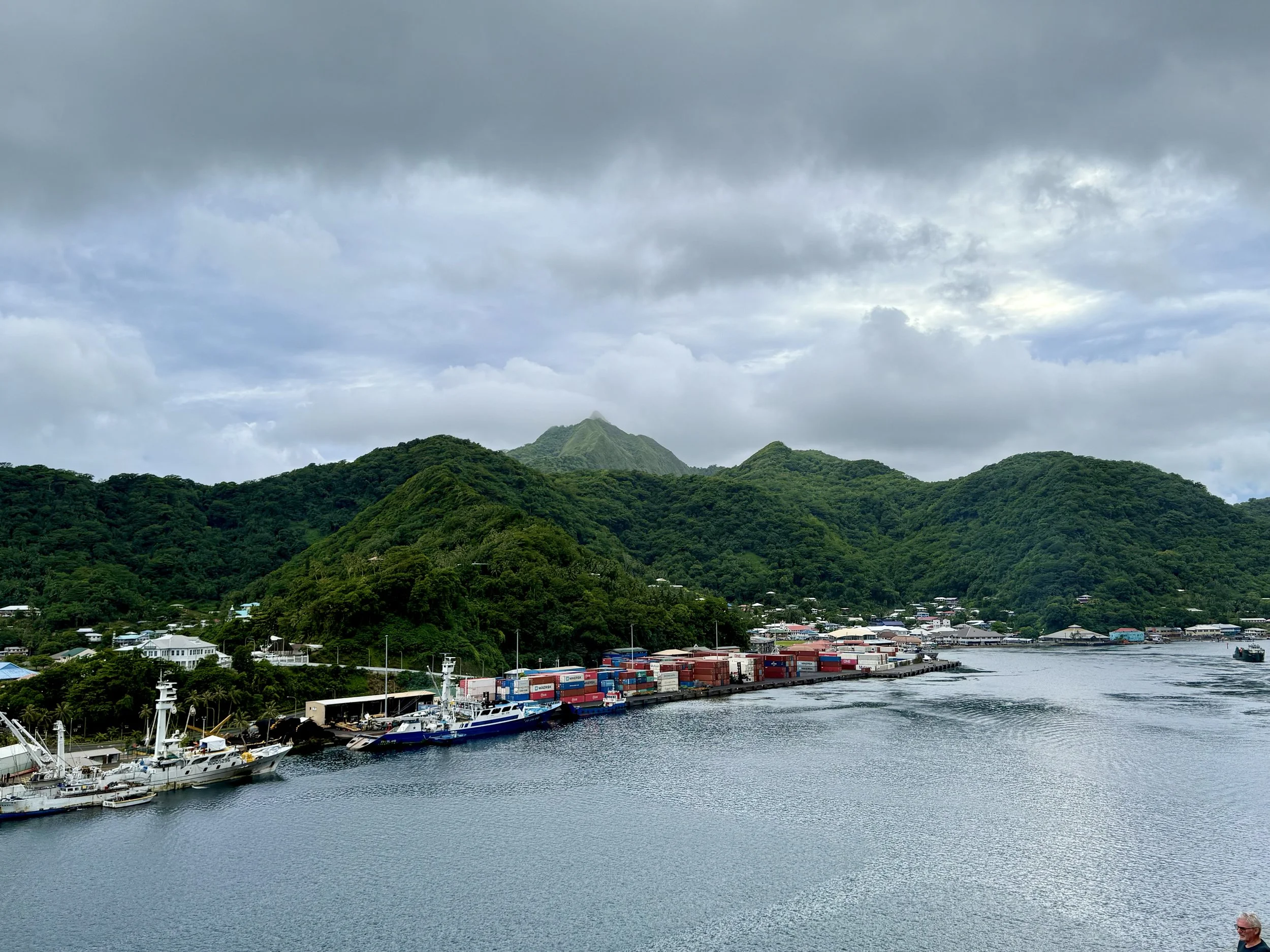
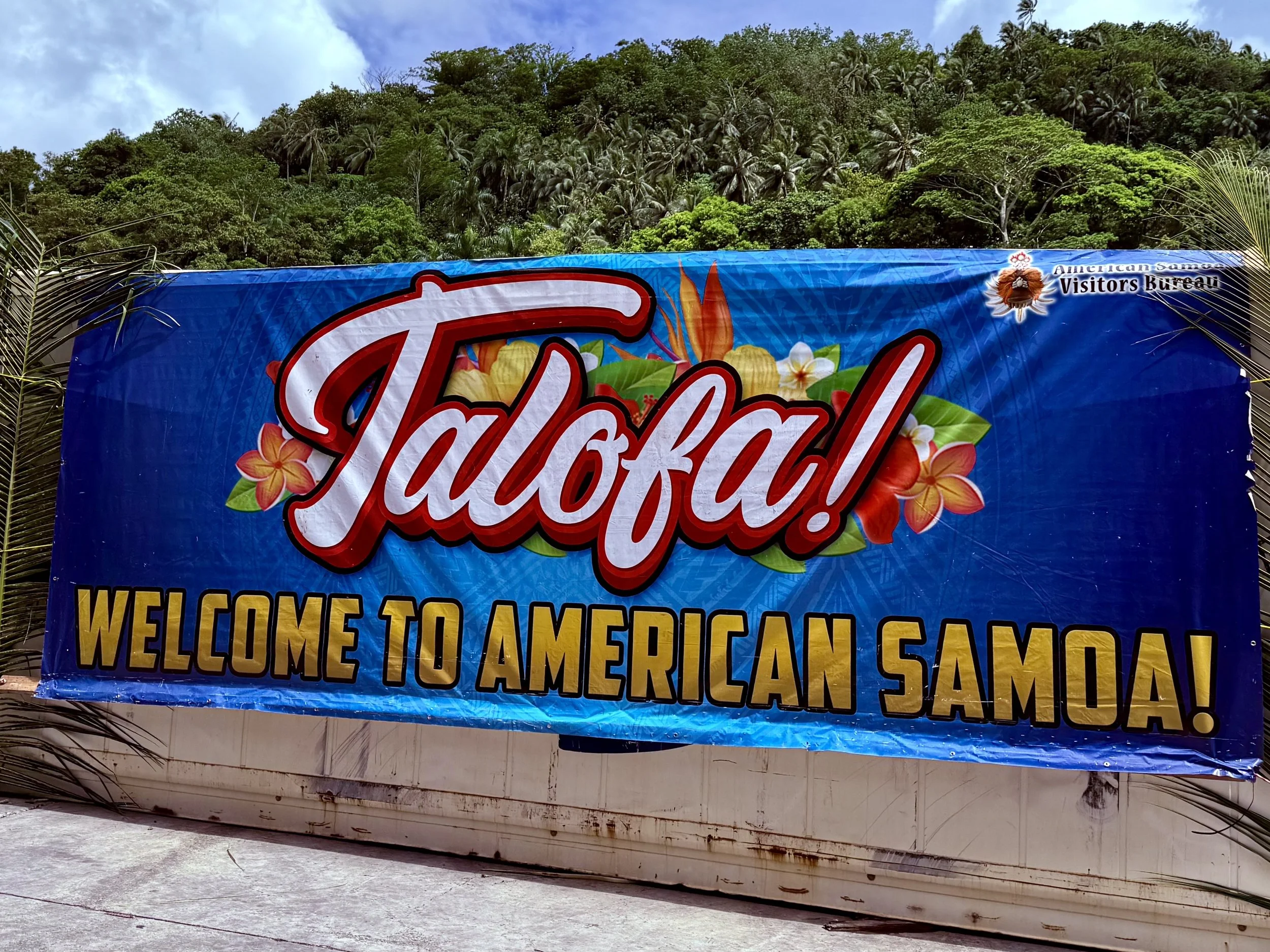
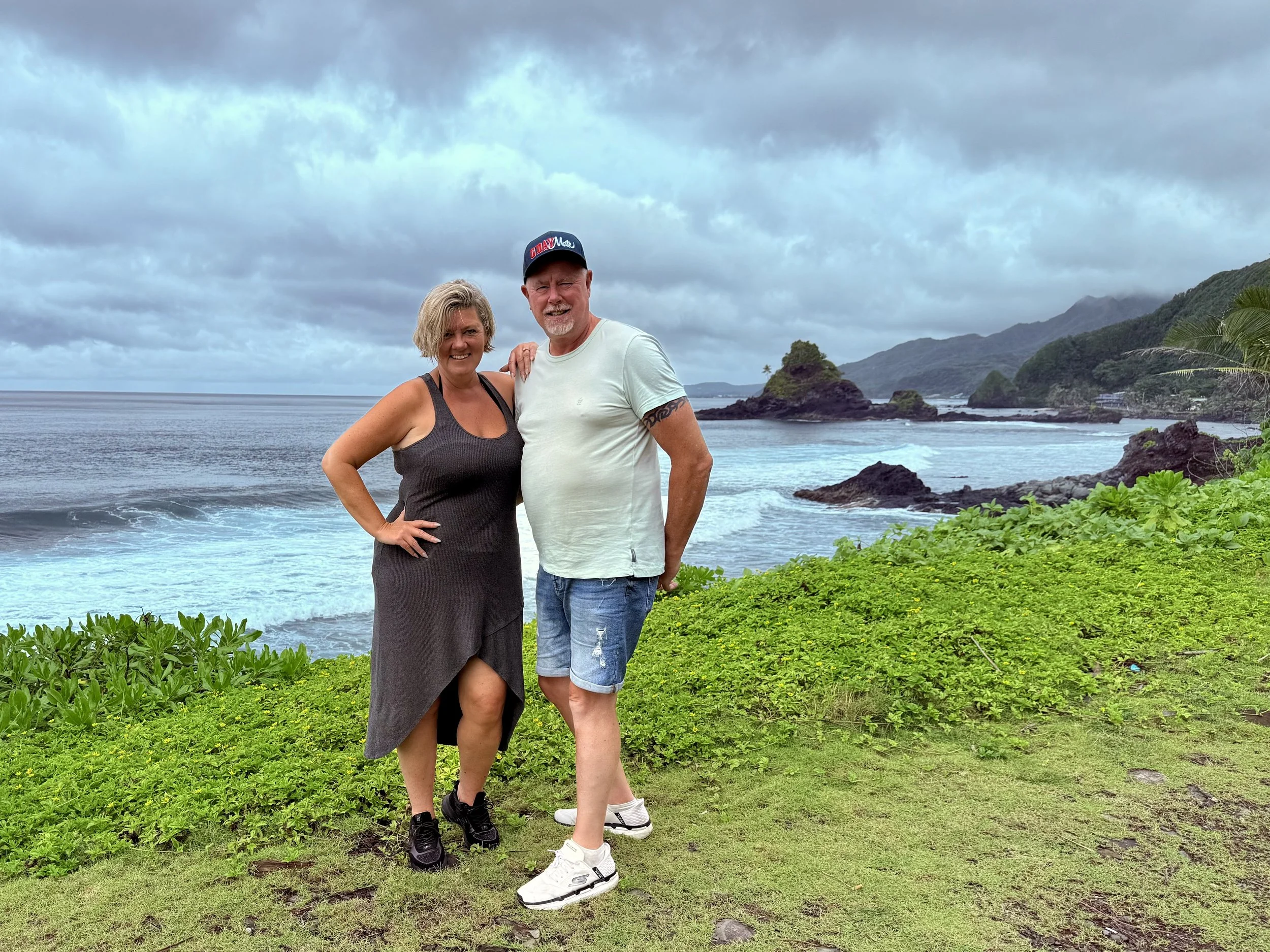
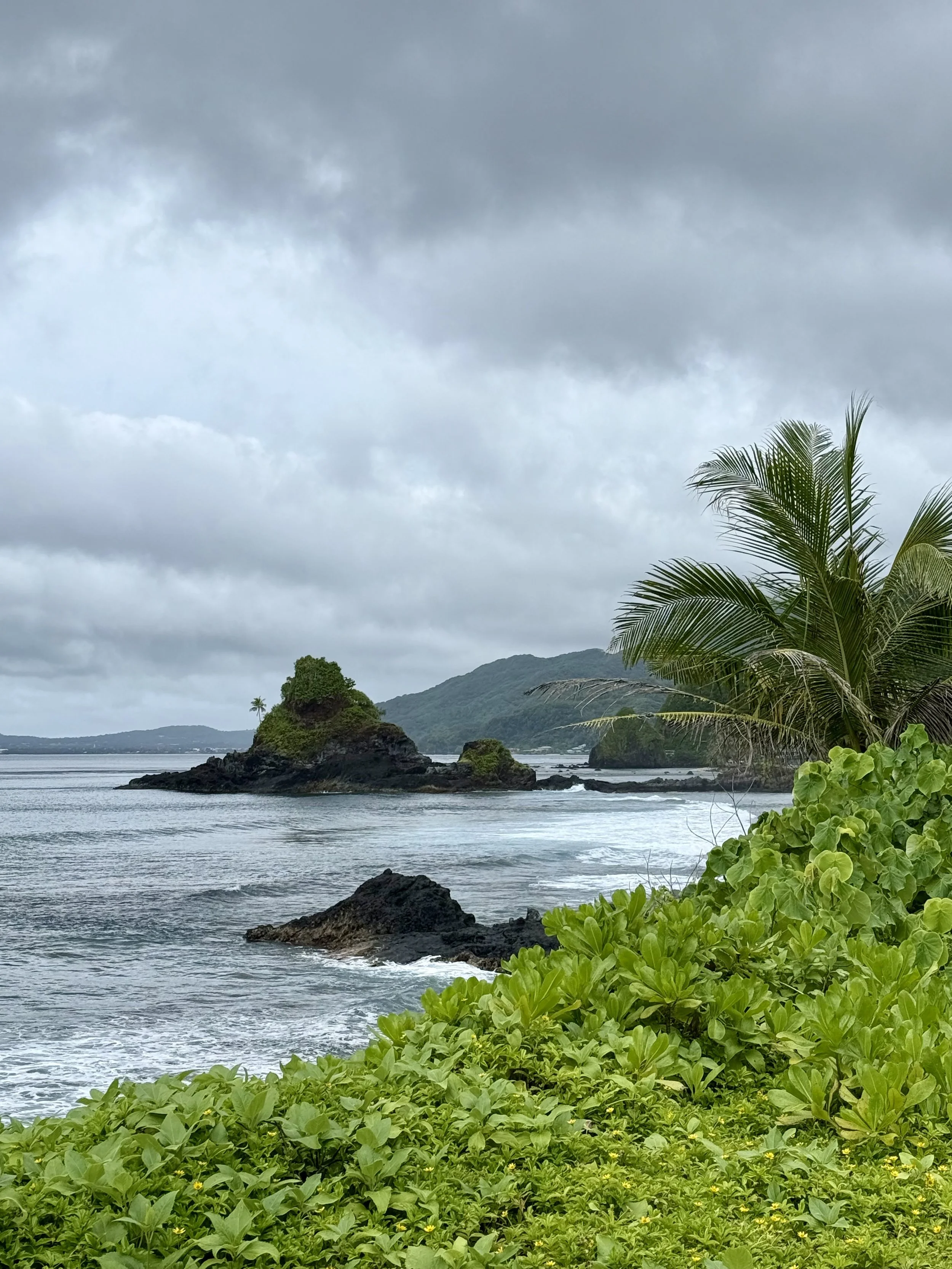
American Samoa welcomed us with a warmth that felt almost ceremonial. From the moment we stepped off the ship, we were treated like royalty—smiles, waves, and genuine island hospitality that made us feel instantly at home. Pago Pago (pronounced Pango Pango), the capital, is tucked into one of the most dramatic natural harbours in the South Pacific, a place where mountains rise from the sea in steep, emerald cliffs, draped in lush tropical rainforest.
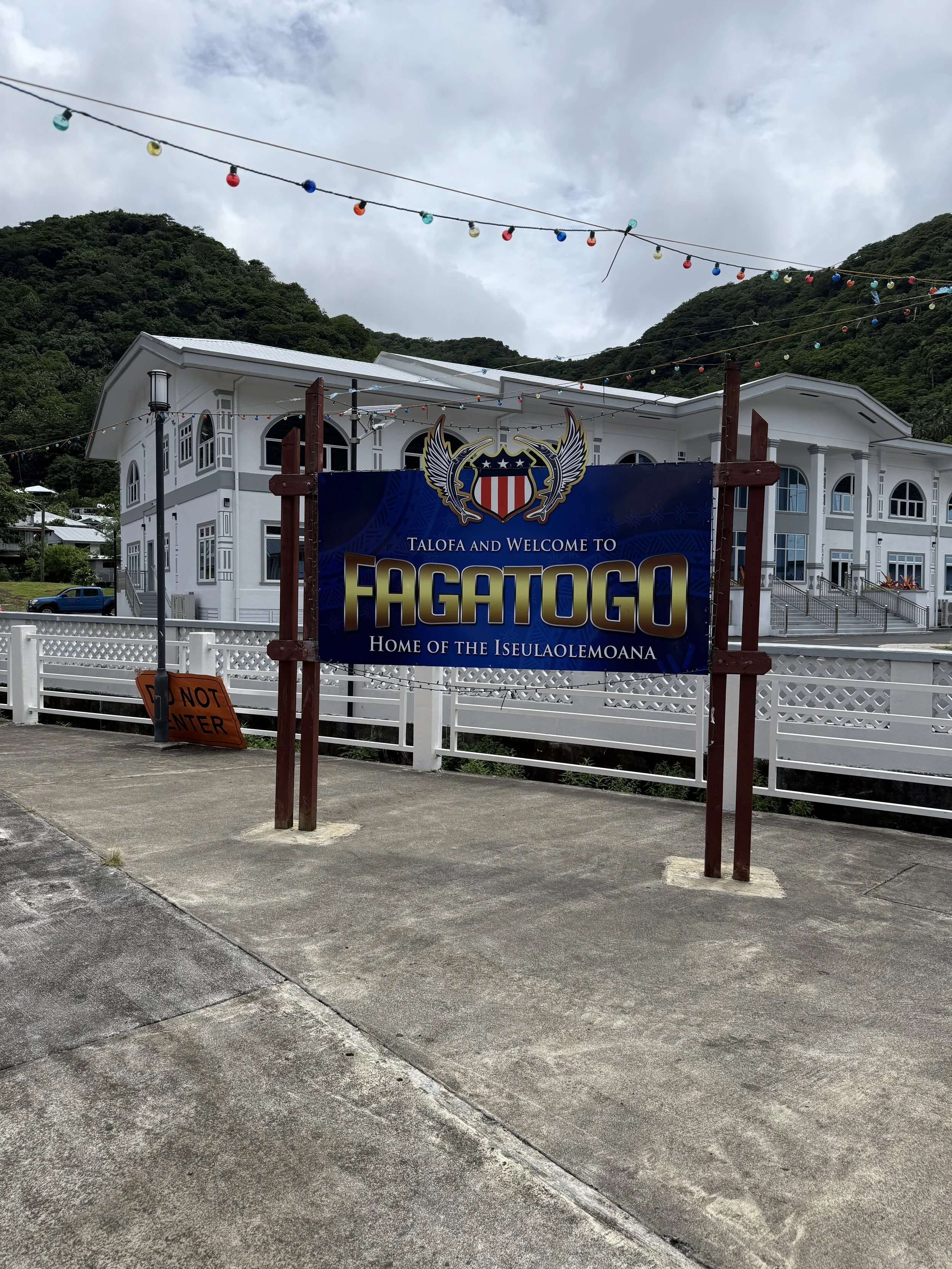
Pago Pago itself is small but full of character. The town hugs the harbour, with colourful buildings, traditional fale-style structures, and clusters of roadside shops where locals sell everything from snacks to sarongs. The air is warm, scented with sea breeze and frying dough, and everywhere you turn you’ll see schoolchildren in bright uniforms and families gathered outside shops socialising. You’ll find the Government House with its colonial-era flair, the Fagatogo Market, the heart of town, harbour-front memorials and statues honouring Samoan history, small supermarkets, churches, and relaxed cafés where locals linger and a backdrop of towering mountains like Rainmaker Mountain, often draped in mist
The harbour is busy but calm with fishing boats, ferries, and cargo ships move slowly through water the colour of deep cobalt, framed by coconut palms and breadfruit trees.
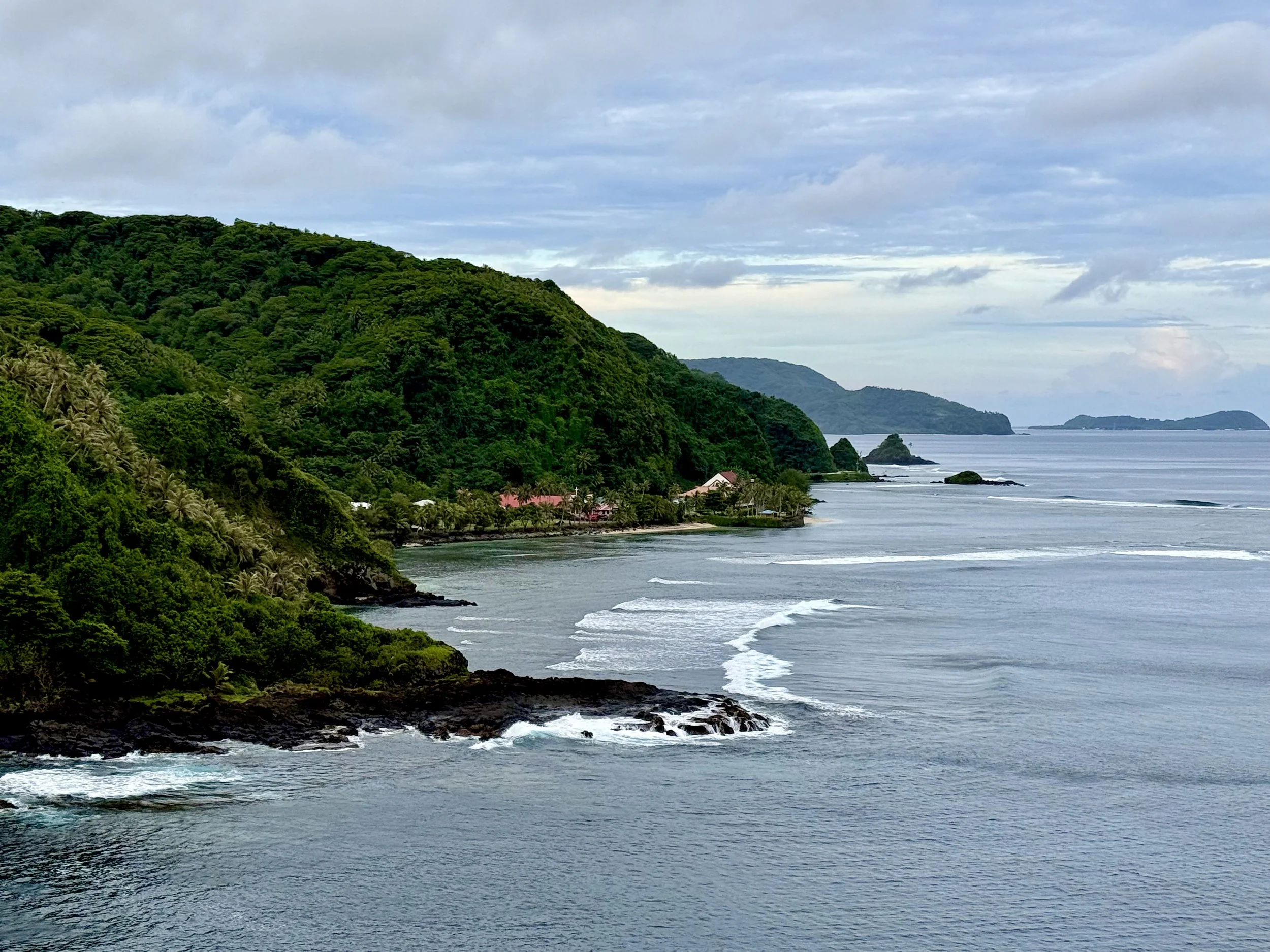
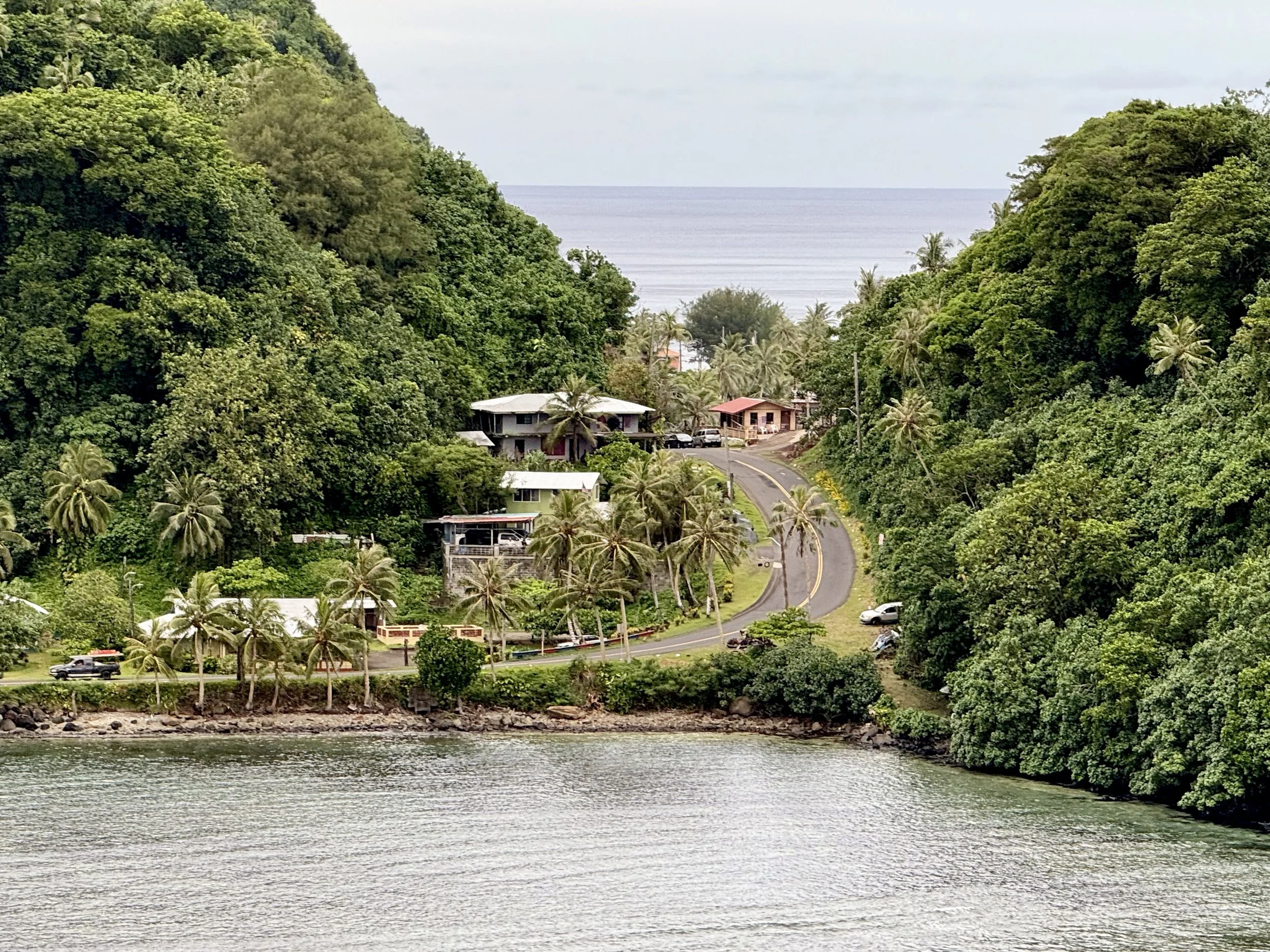
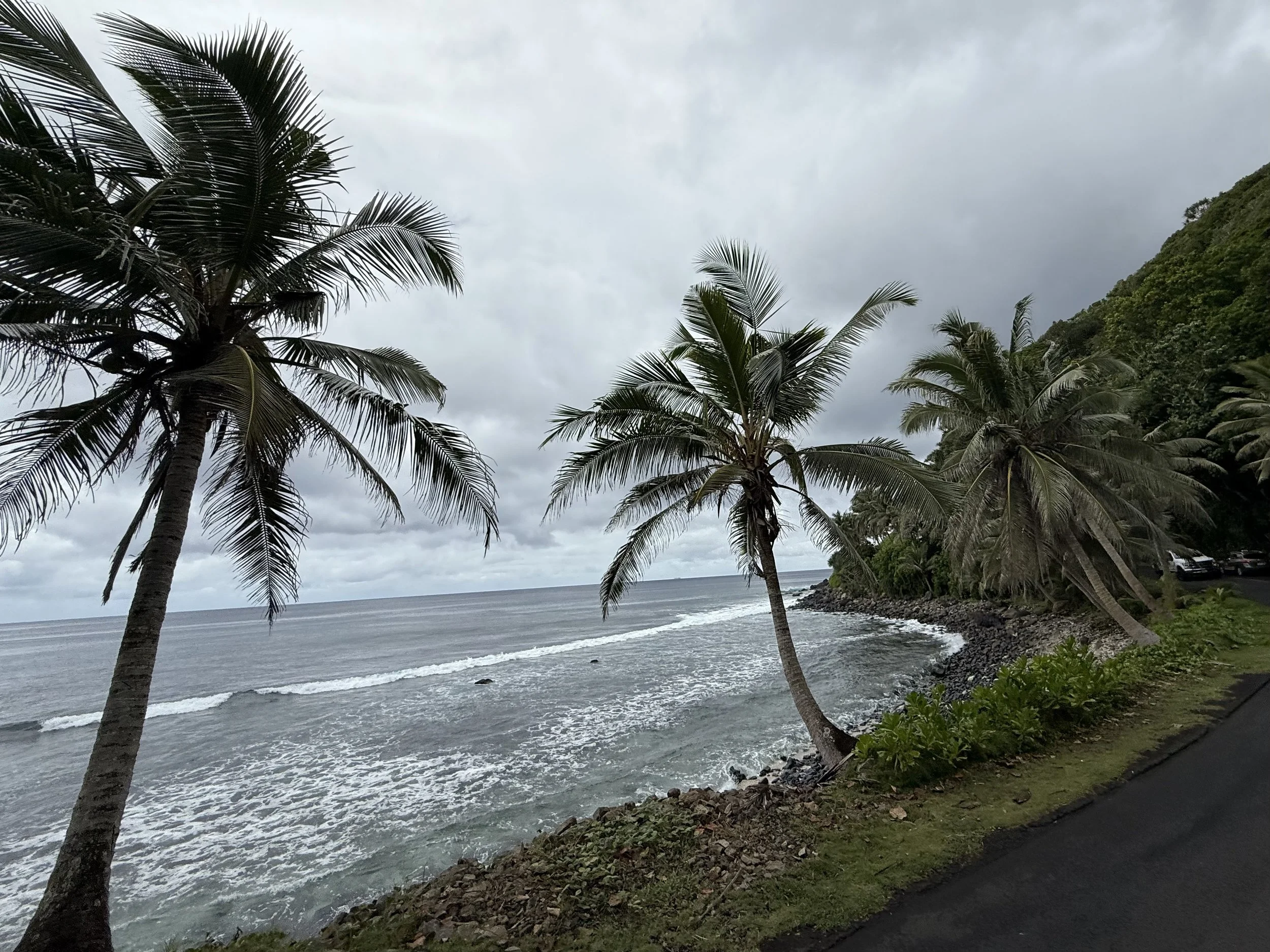
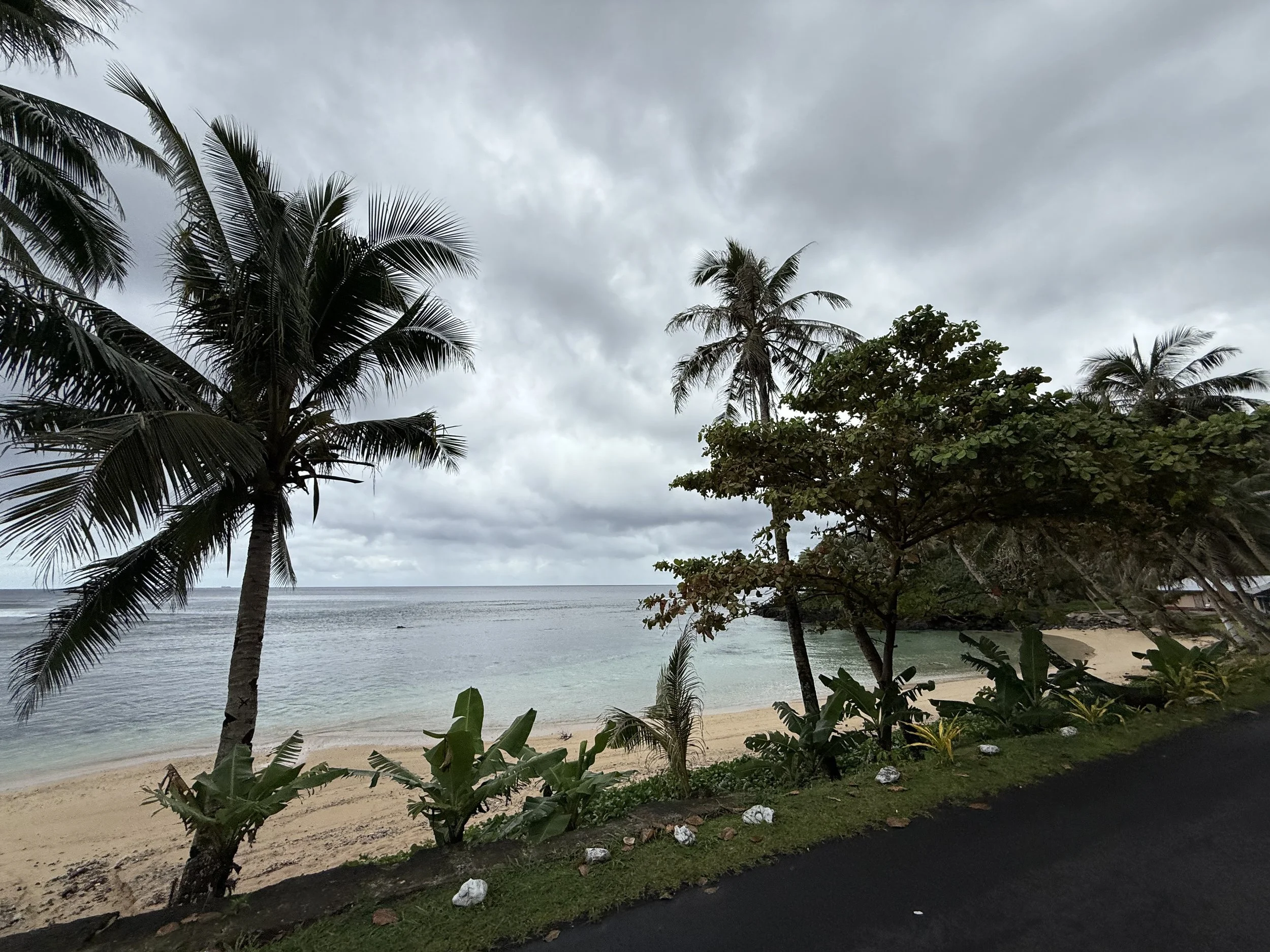
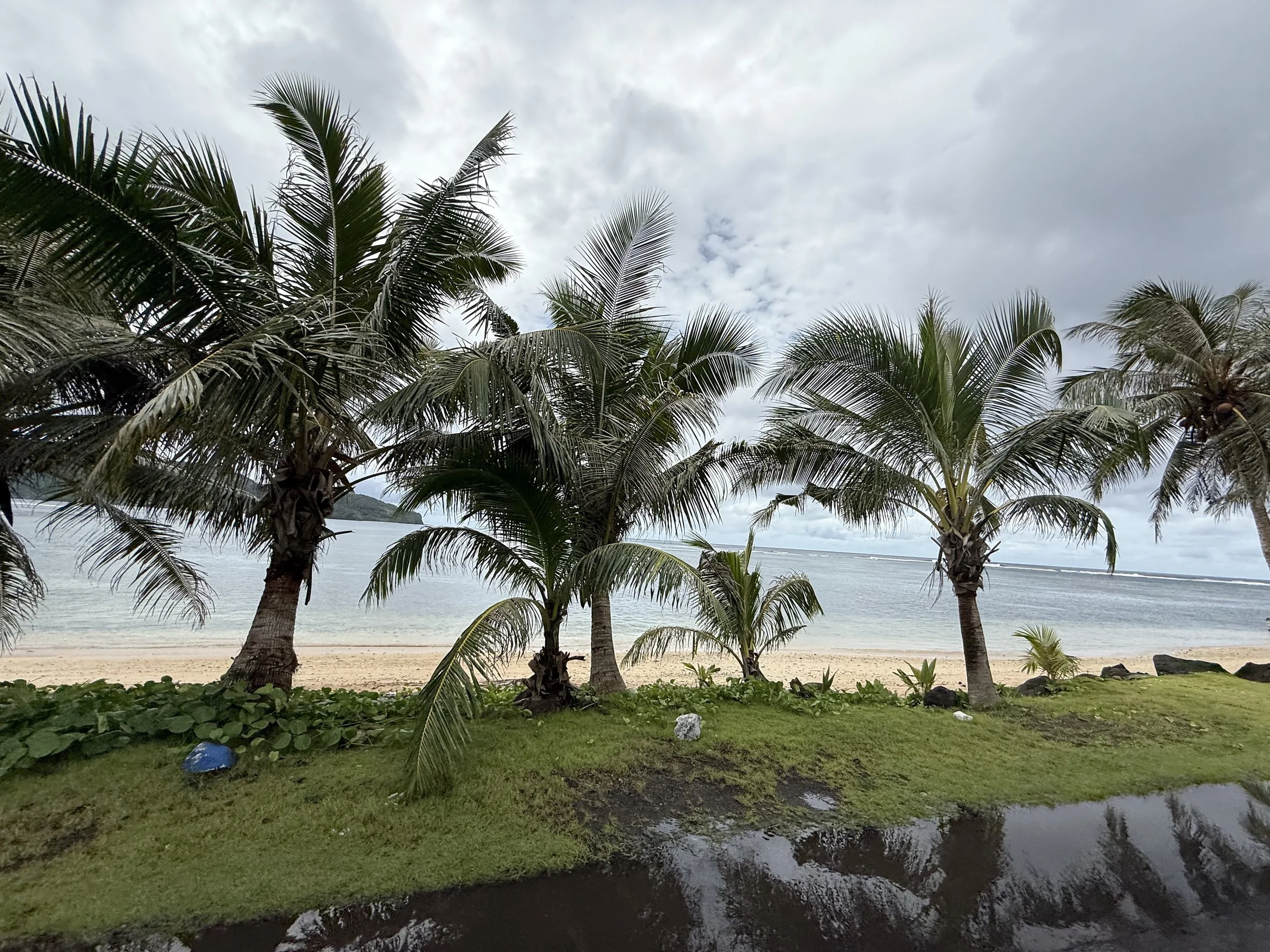
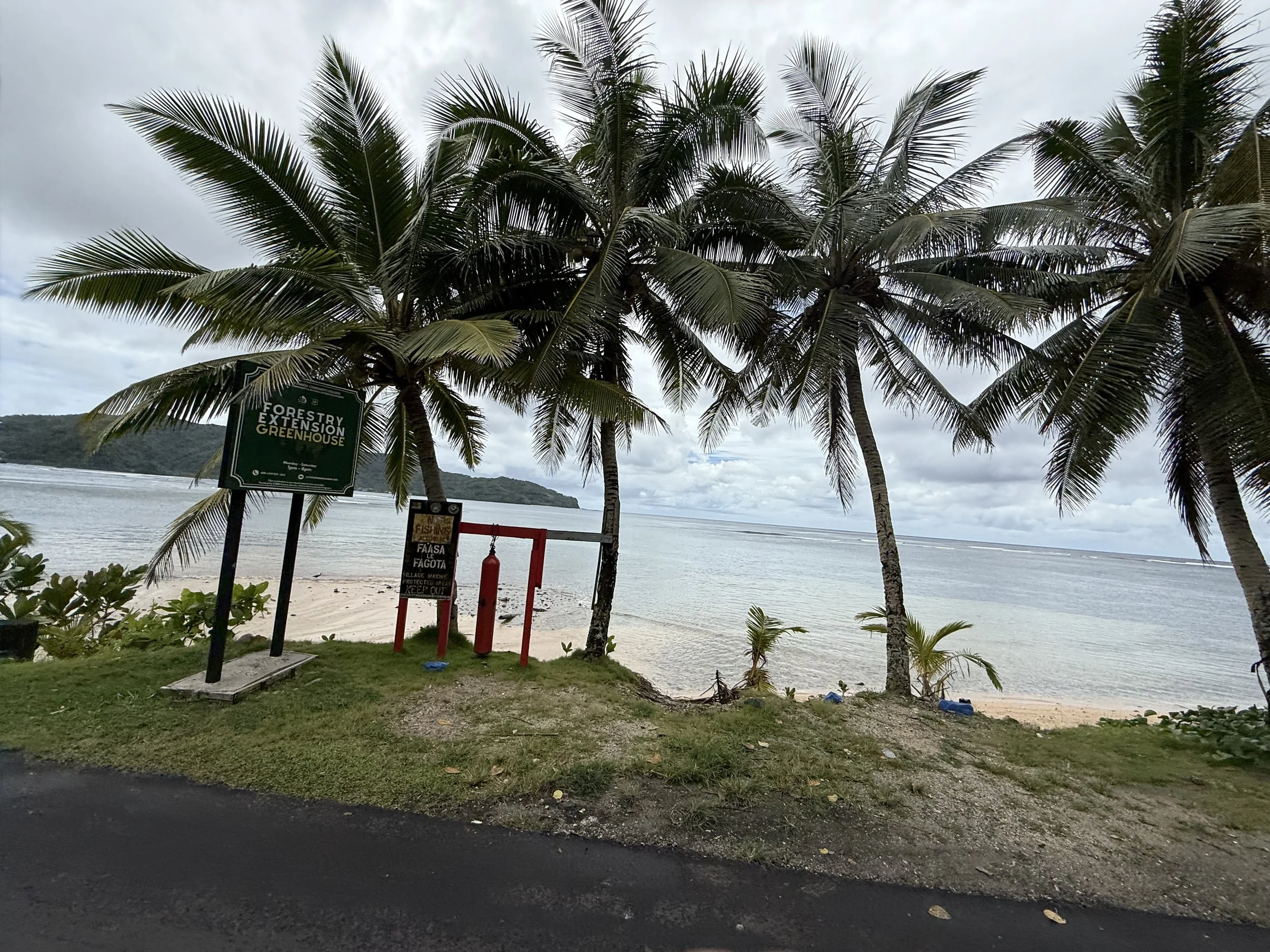
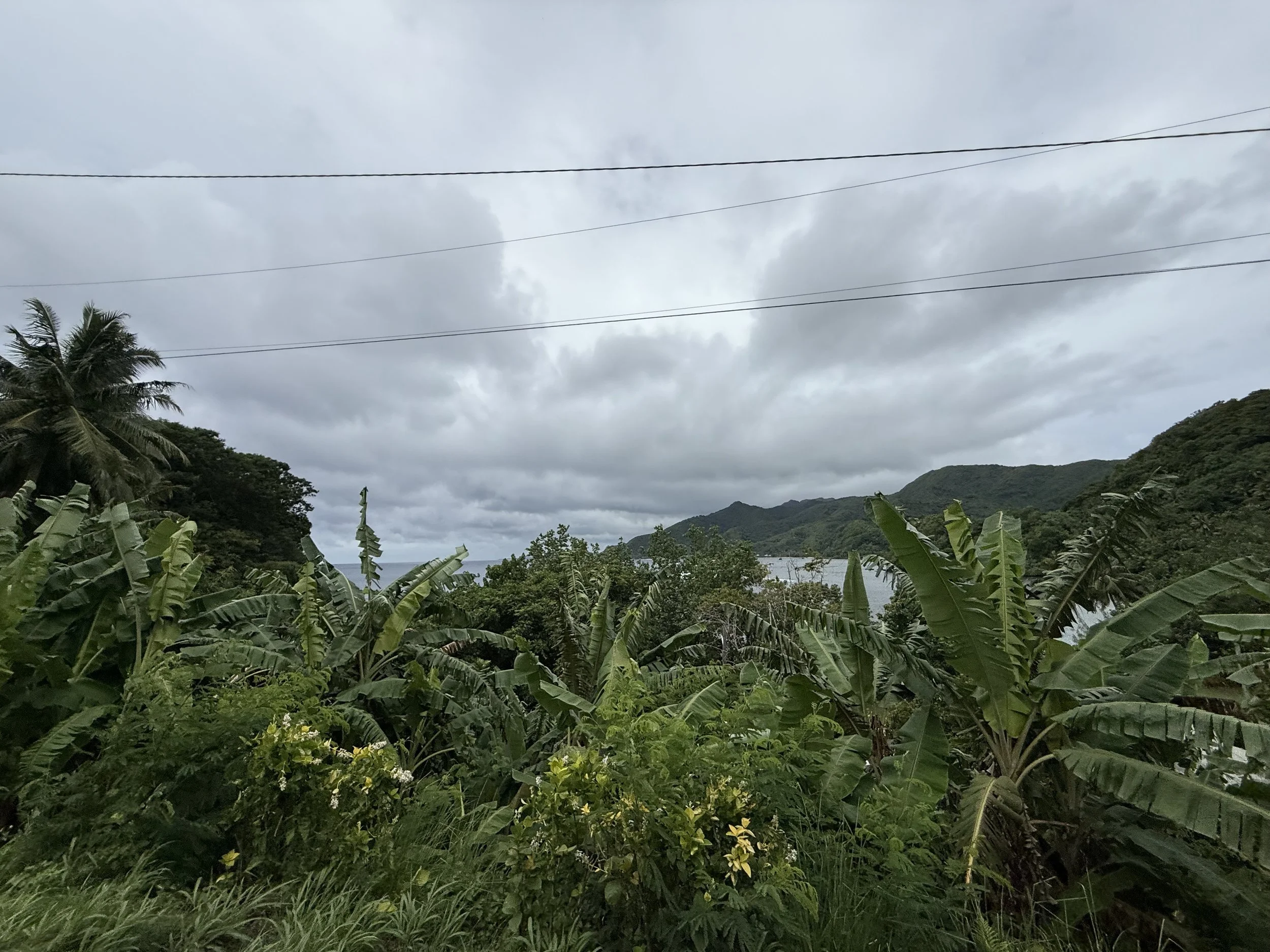
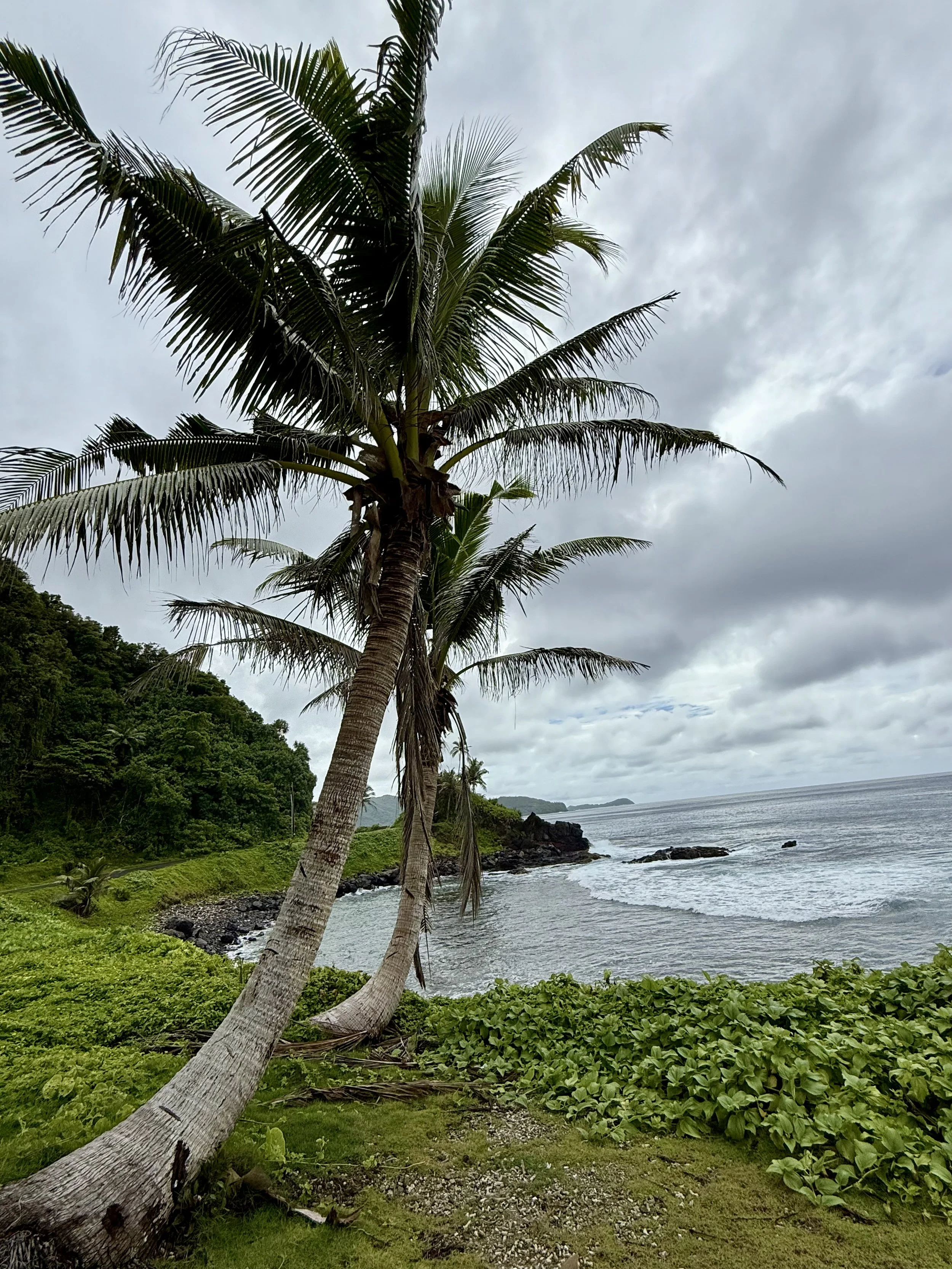
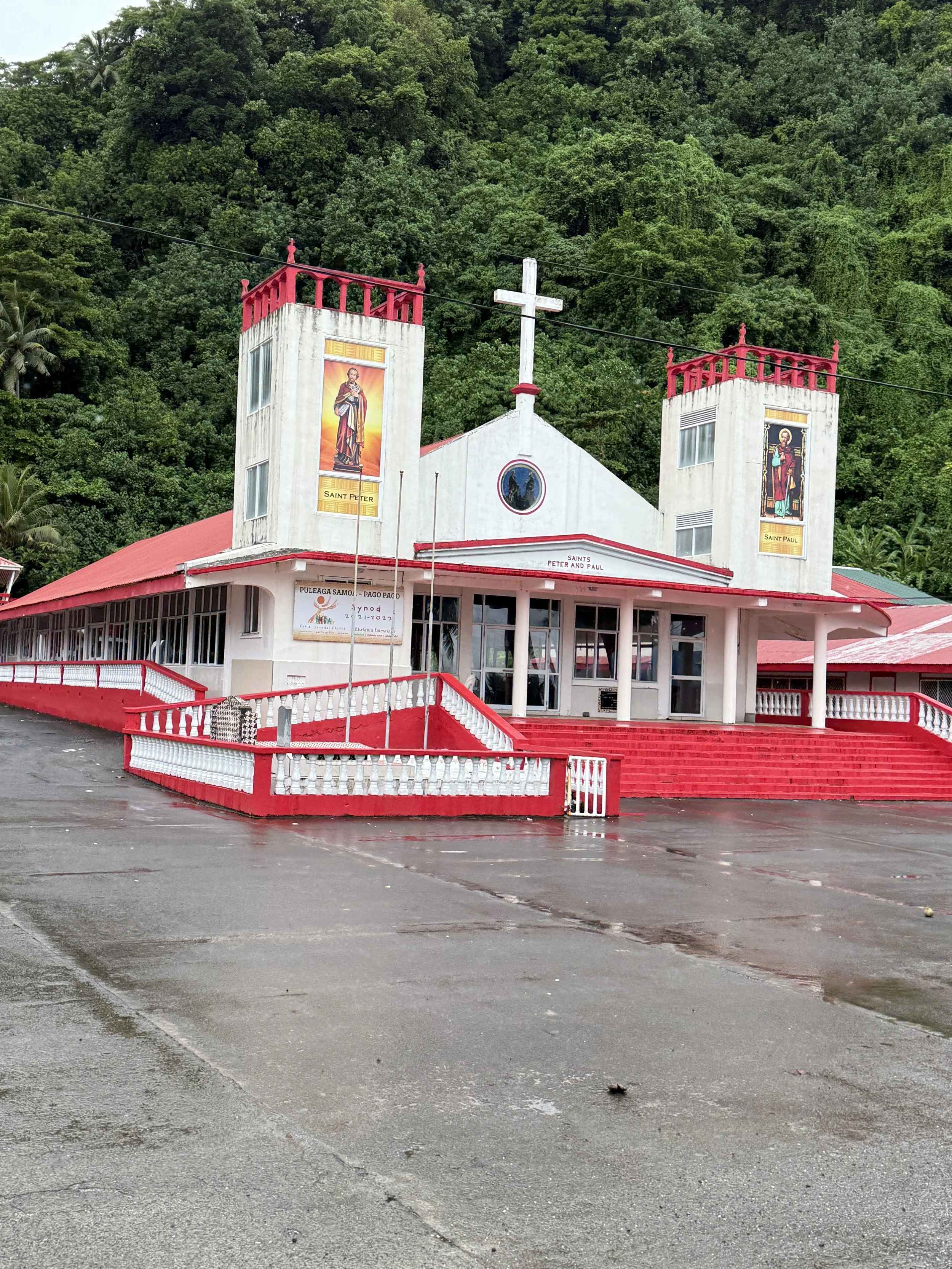
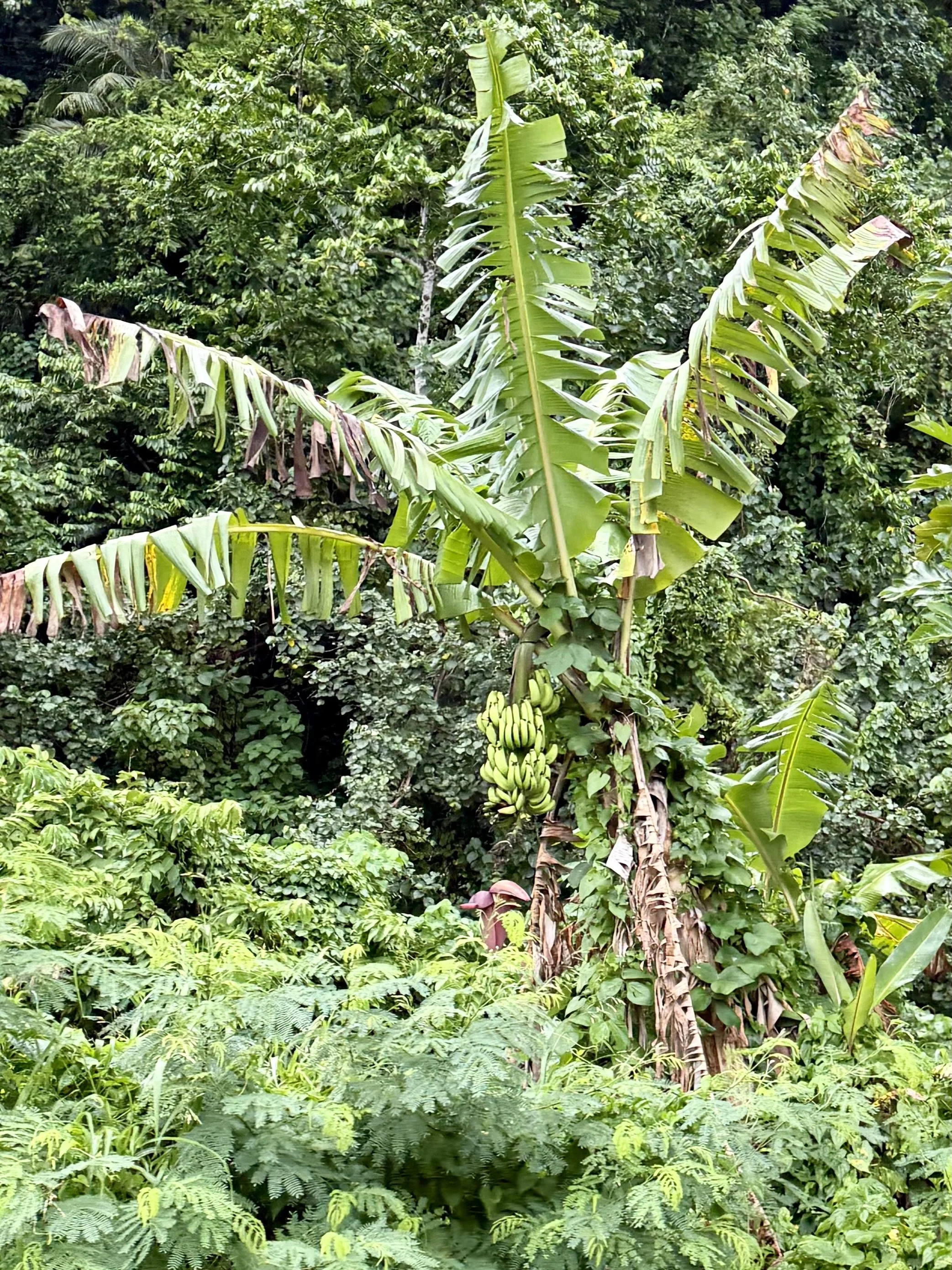
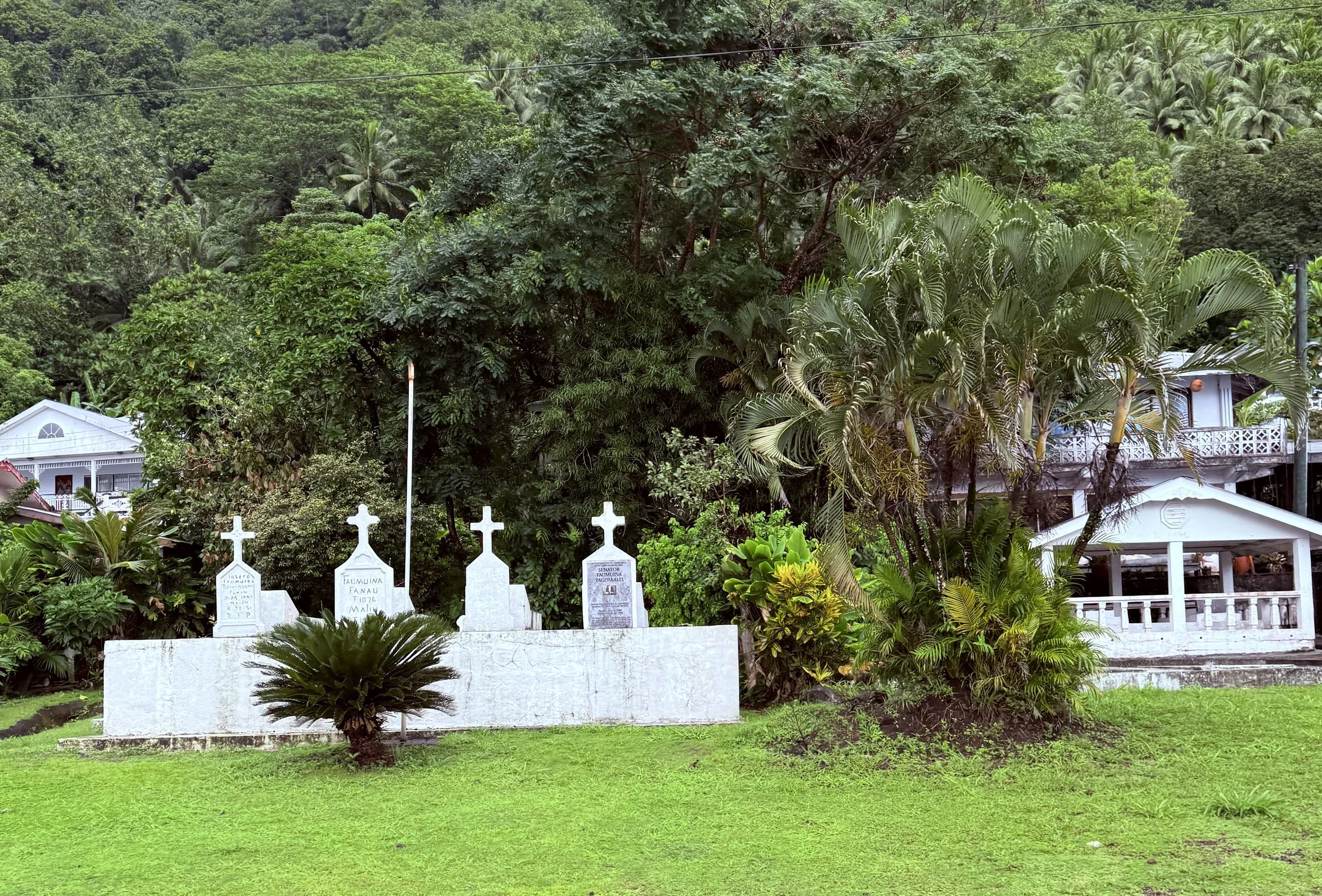
Driving along the coast is a sensory experience. The plants feel almost prehistoric in size and density, towering banana plants, huge taro leaves, pandanus, hibiscus, and coconut palms leaning over the water. There are bursts of colour everywhere: hot-pink bougainvillea, yellow allamanda, and fiery red heliconias. Villages line the shoreline, each with a church at its heart and neat lawns studded with tropical flowers. Chickens roam freely, children run barefoot, and the ocean never leaves your sight.
And then, quite suddenly, you pass one of the island’s biggest landmarks: the tuna factory…. and you smell it too! It’s an unmistakable reminder of how central fishing is to the local economy, industrial buildings with huge chimneys, workers coming and going, and the scent of the sea mixed with the metallic aroma of a working plant.
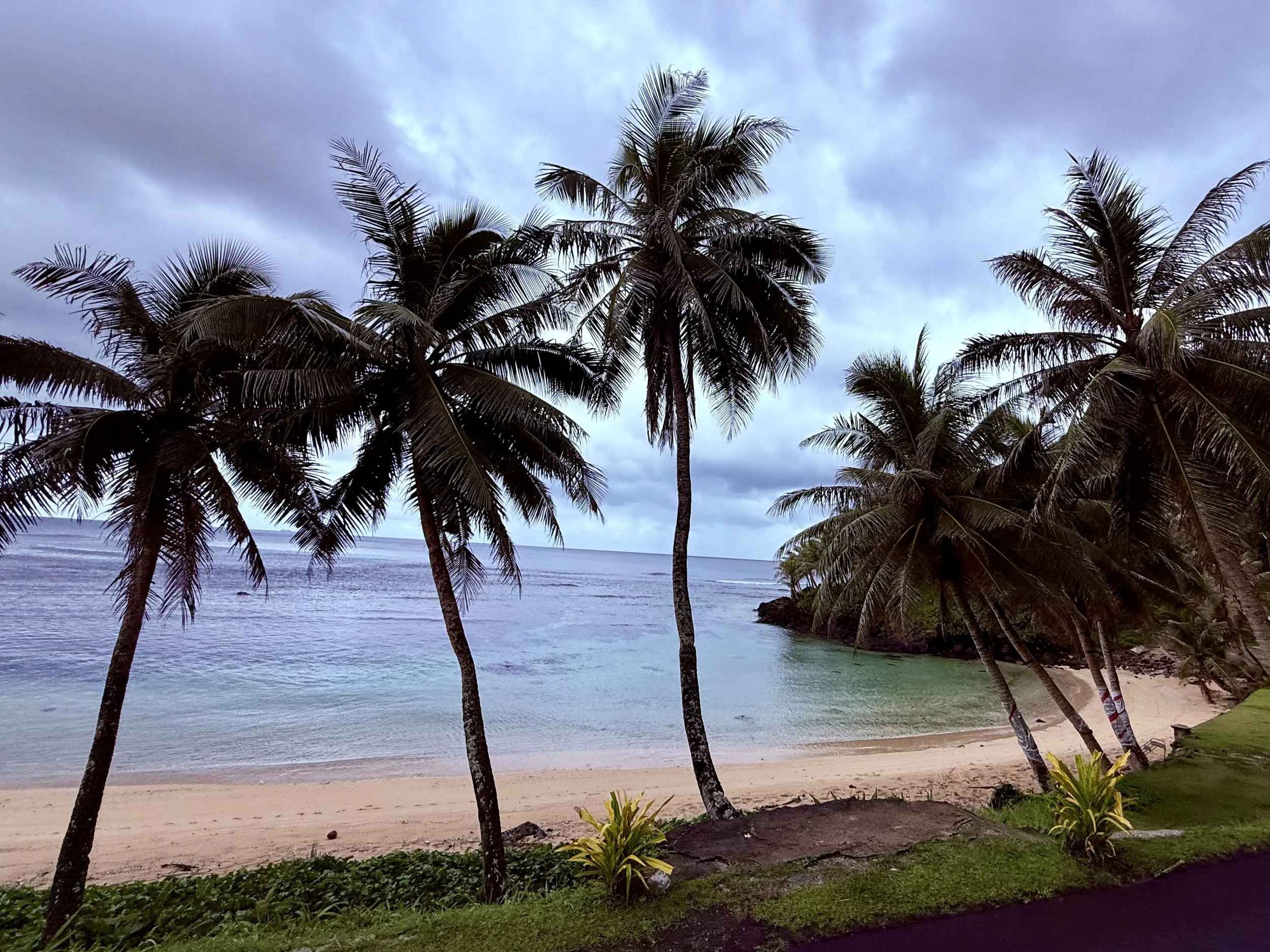
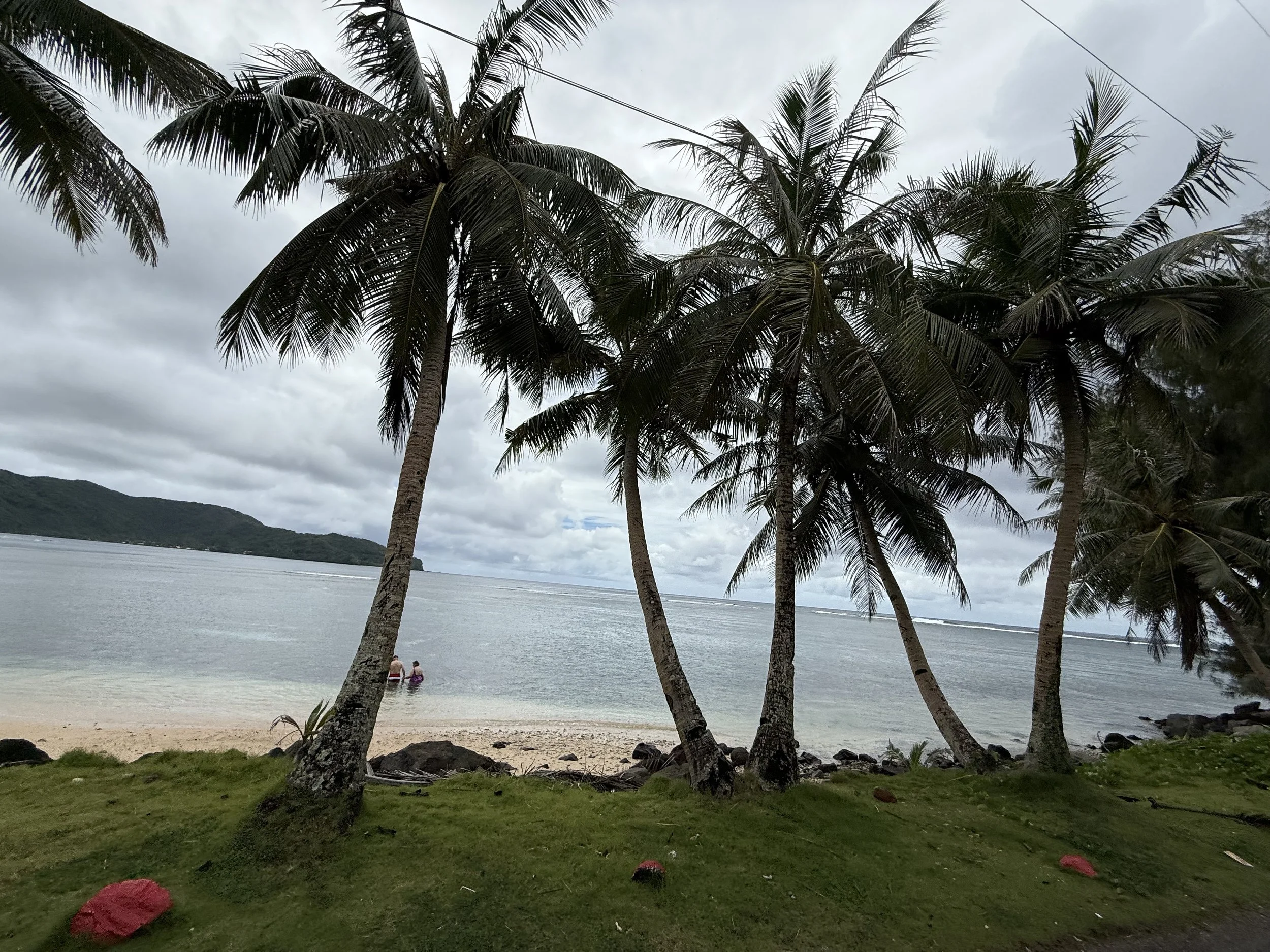
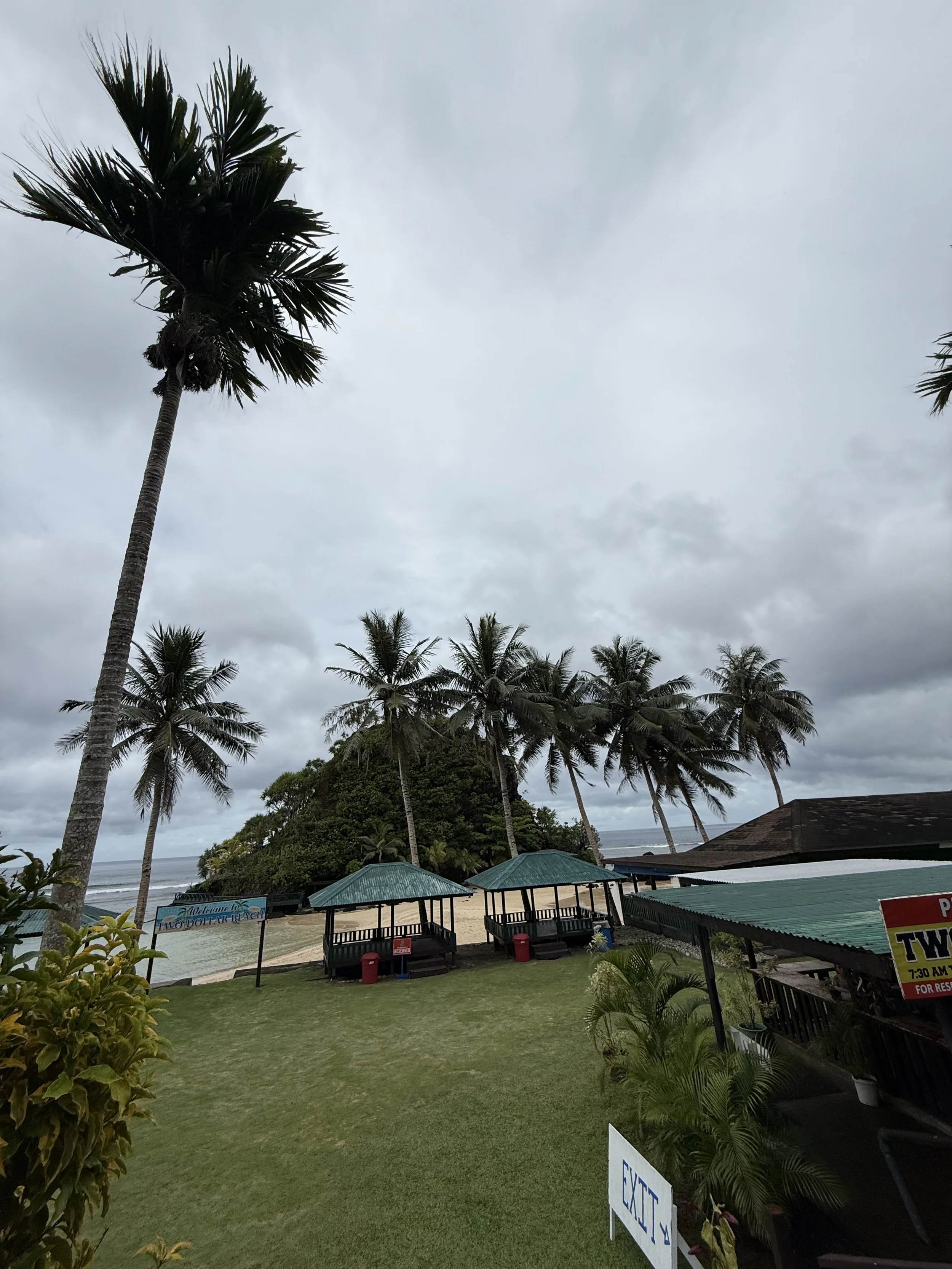
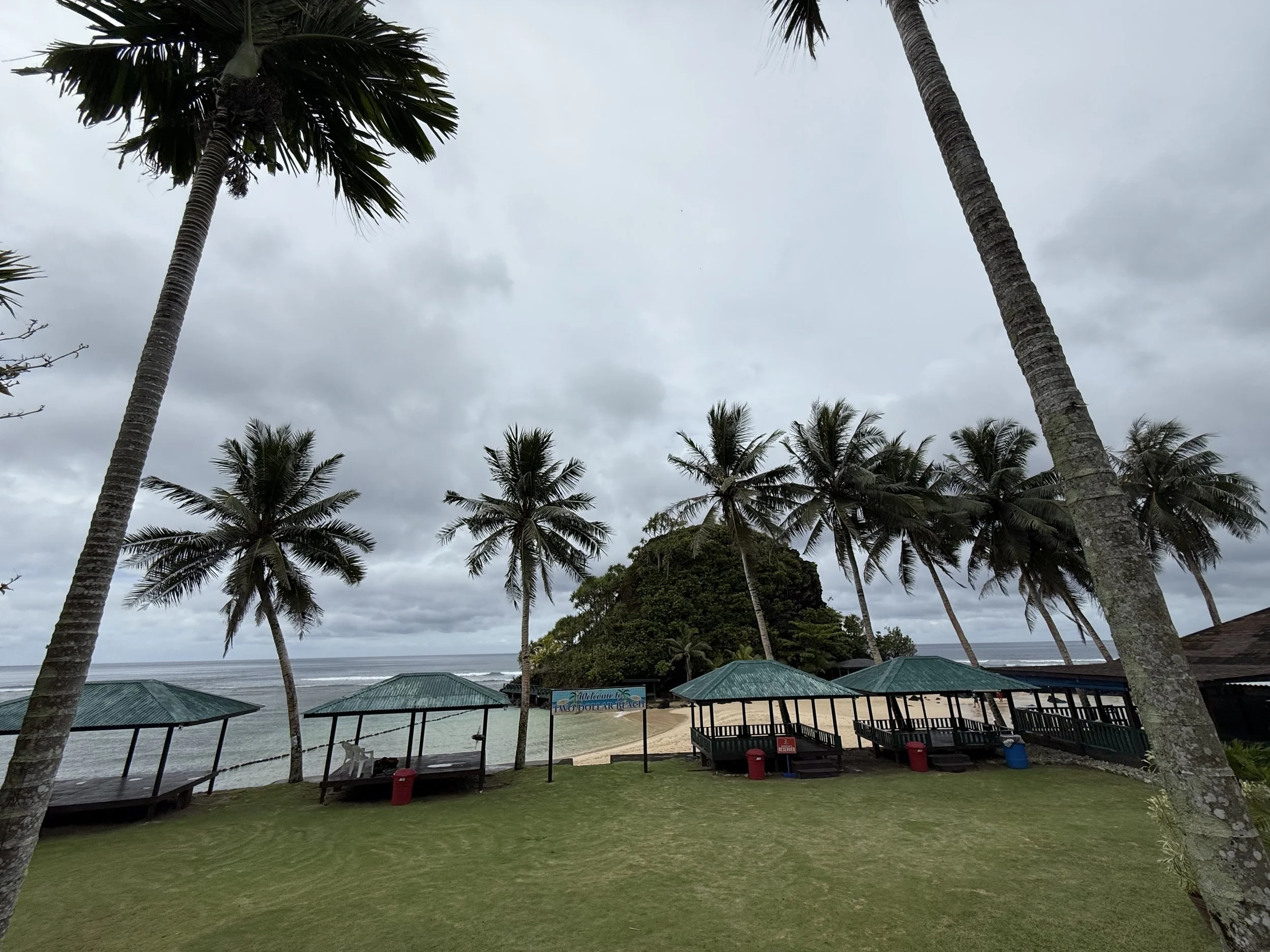
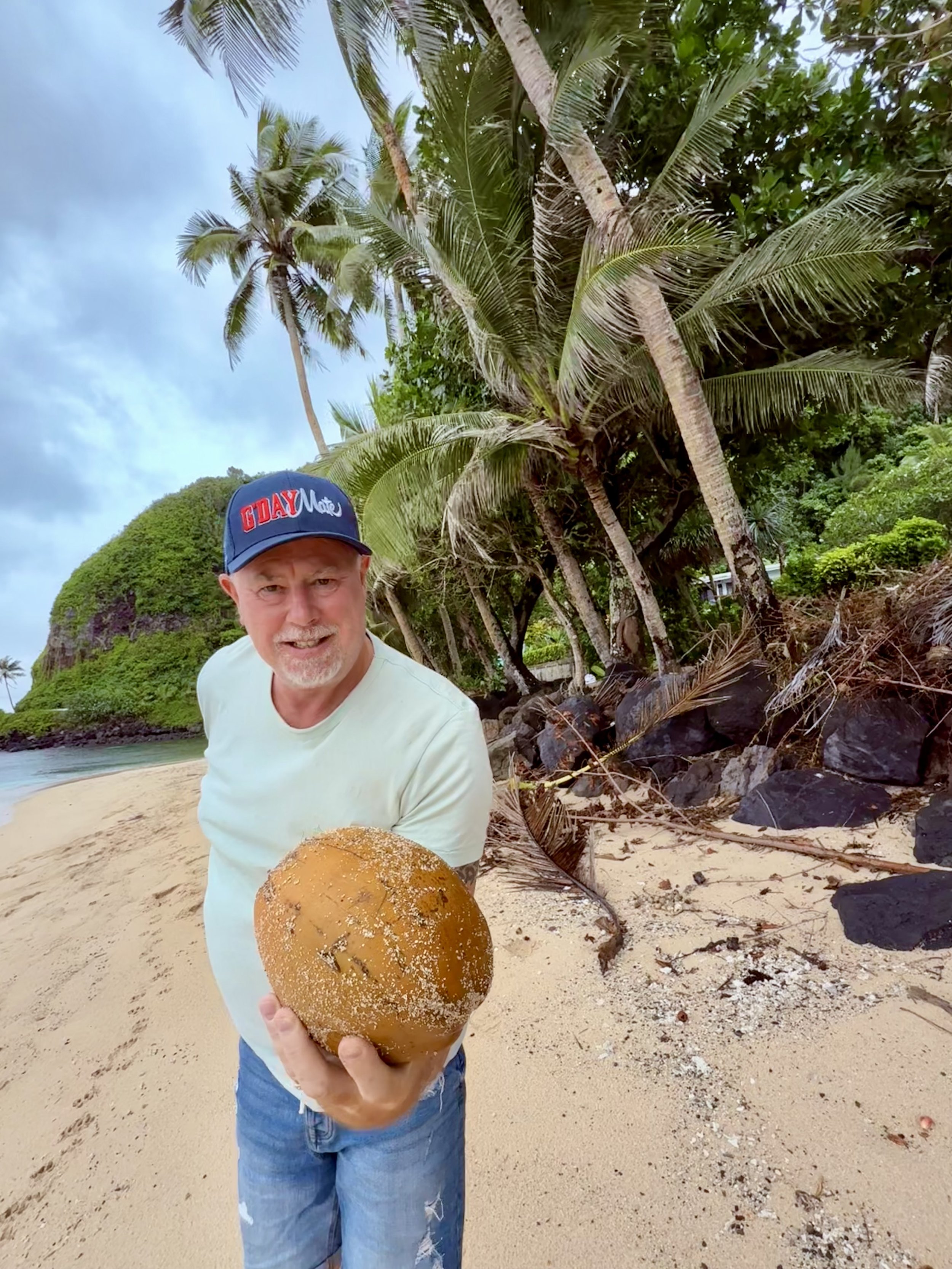
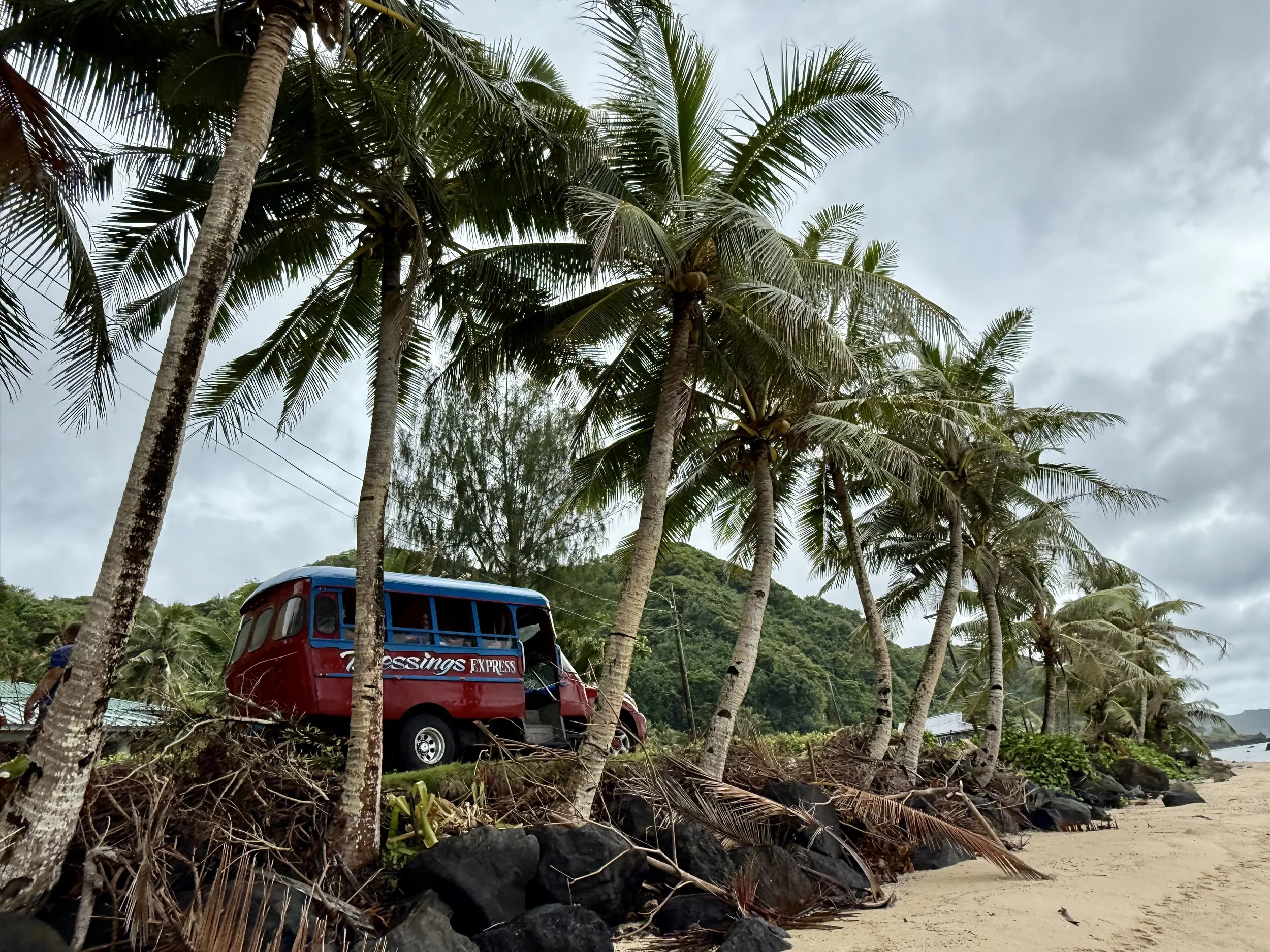
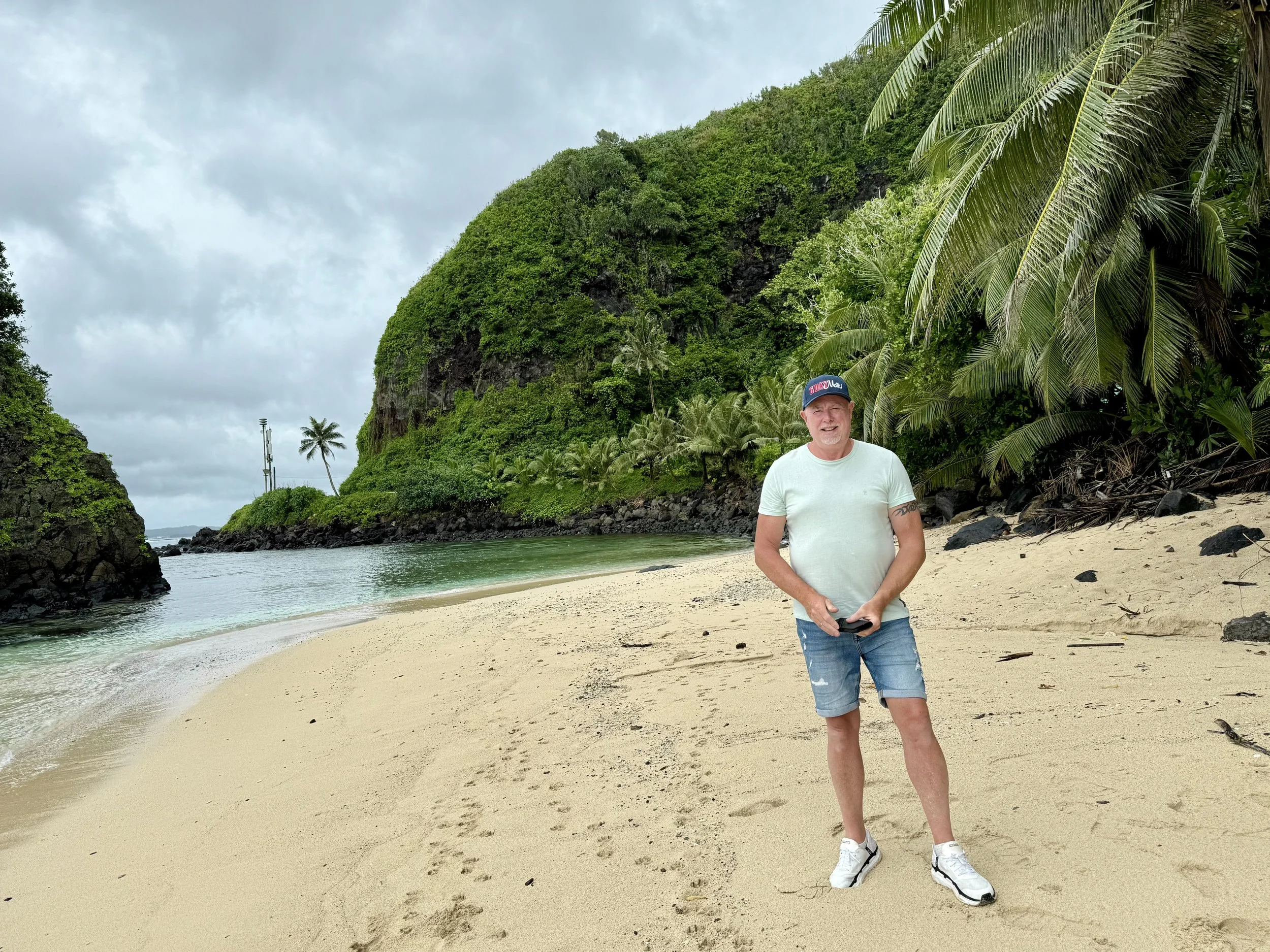
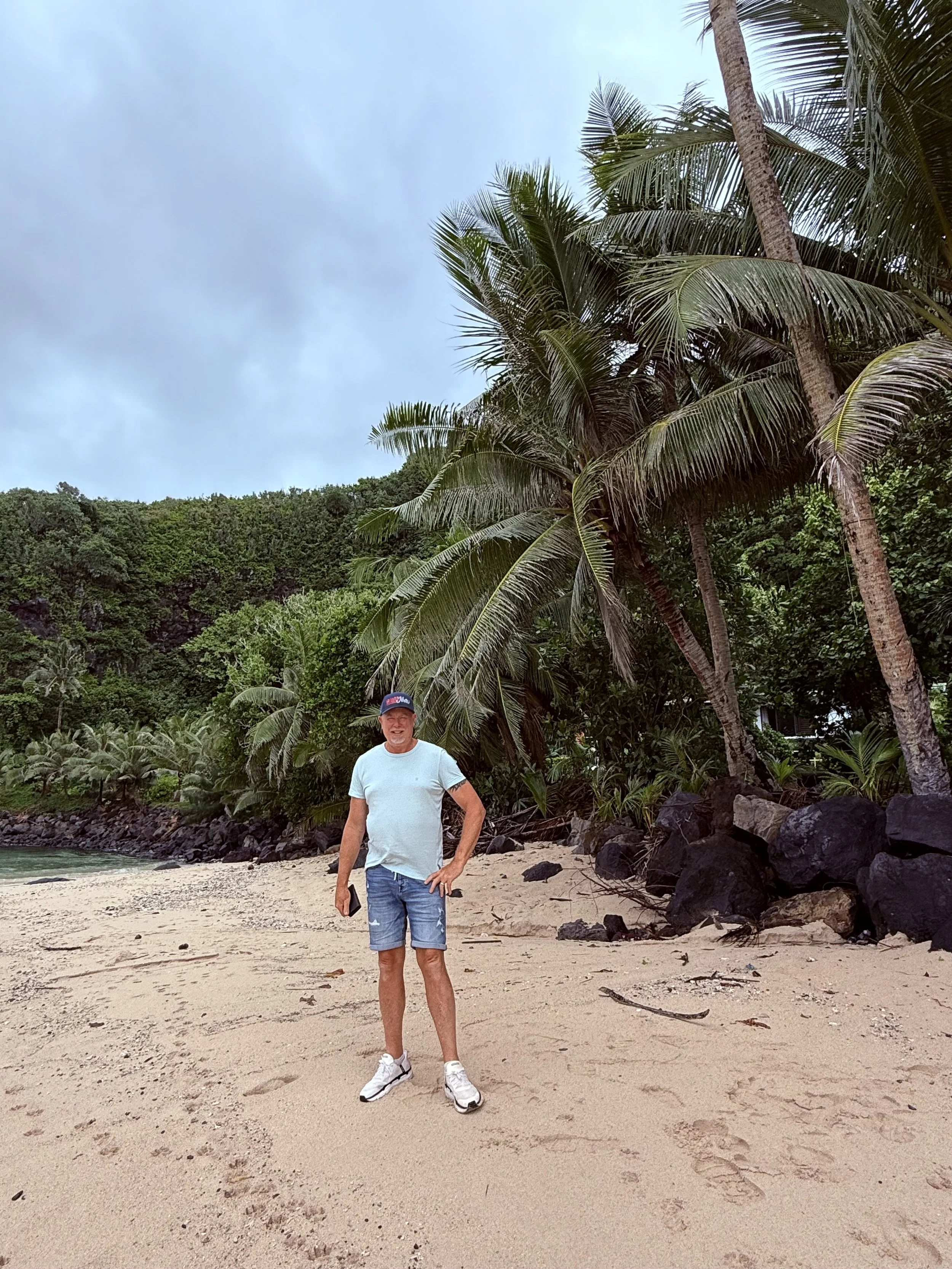
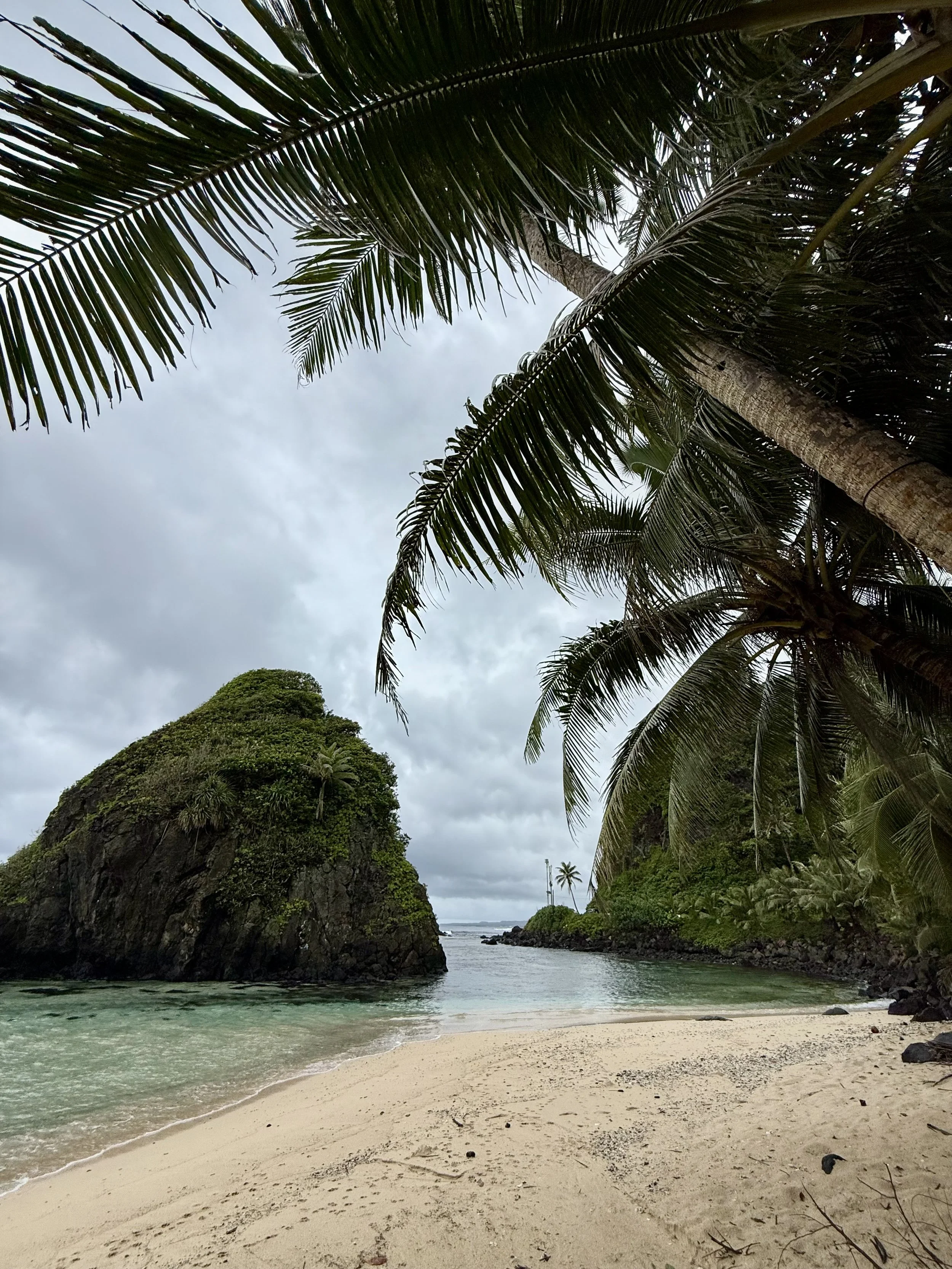
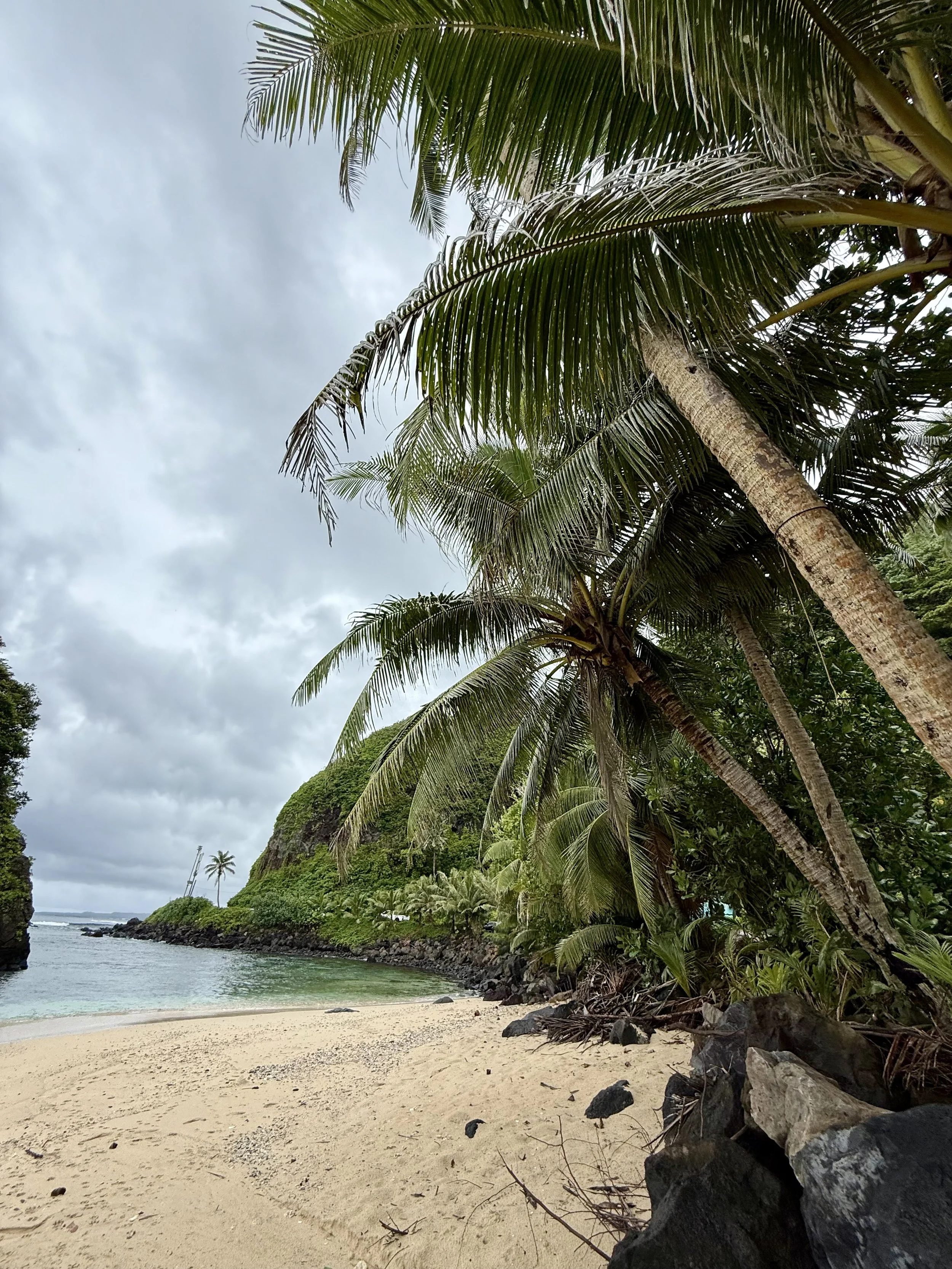
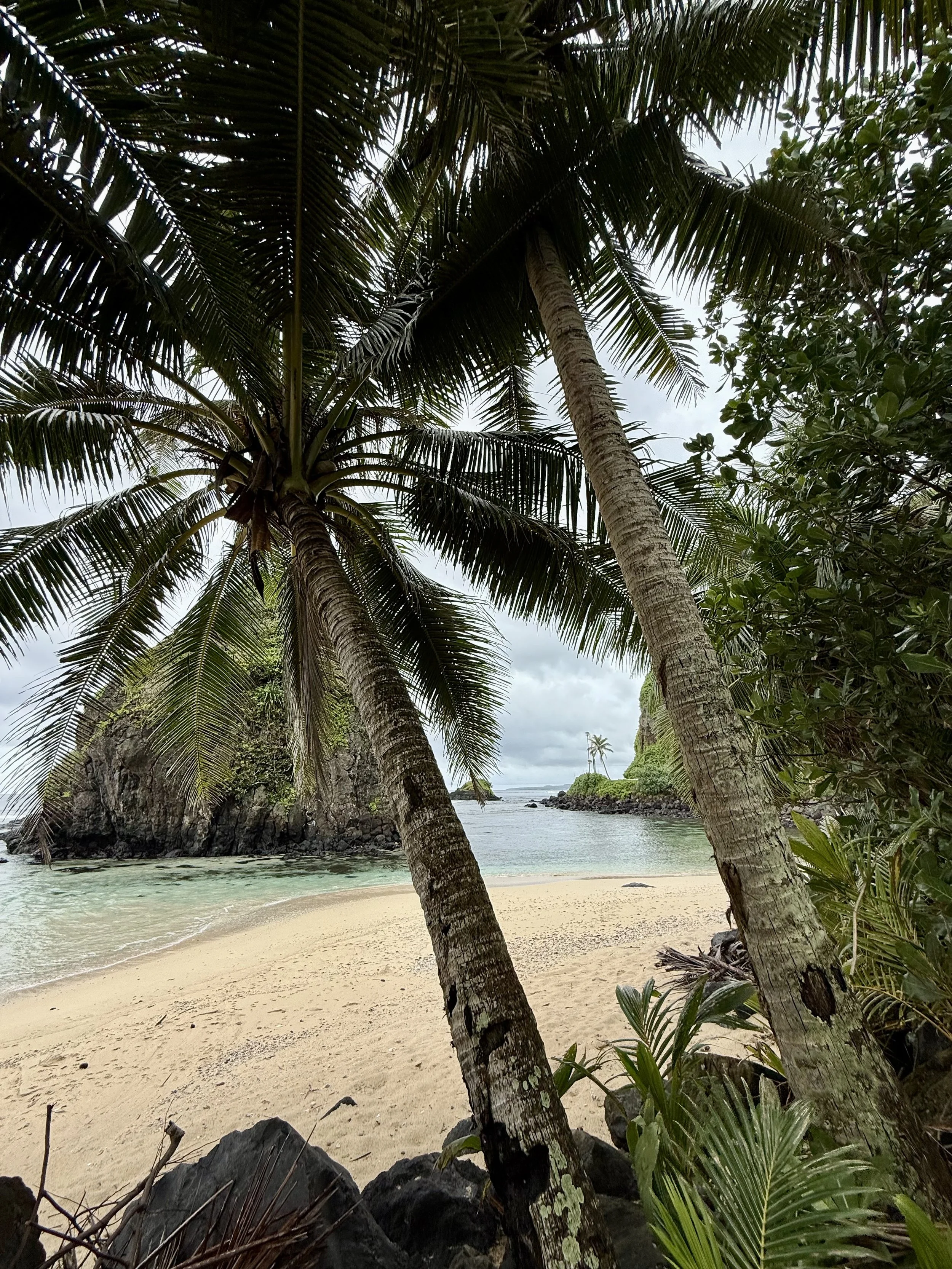
Further along the coast, you reach the beloved One Dollar Beach, named for the small fee locals used to charge for entry. It’s a stunning little cove where powdery sand meets warm turquoise water. Palm trees line the shore like a postcard brought to life. The vibe is peaceful, with gentle waves and panoramic views that feel completely untouched. It’s the perfect spot to feel the raw beauty of the island without crowds.
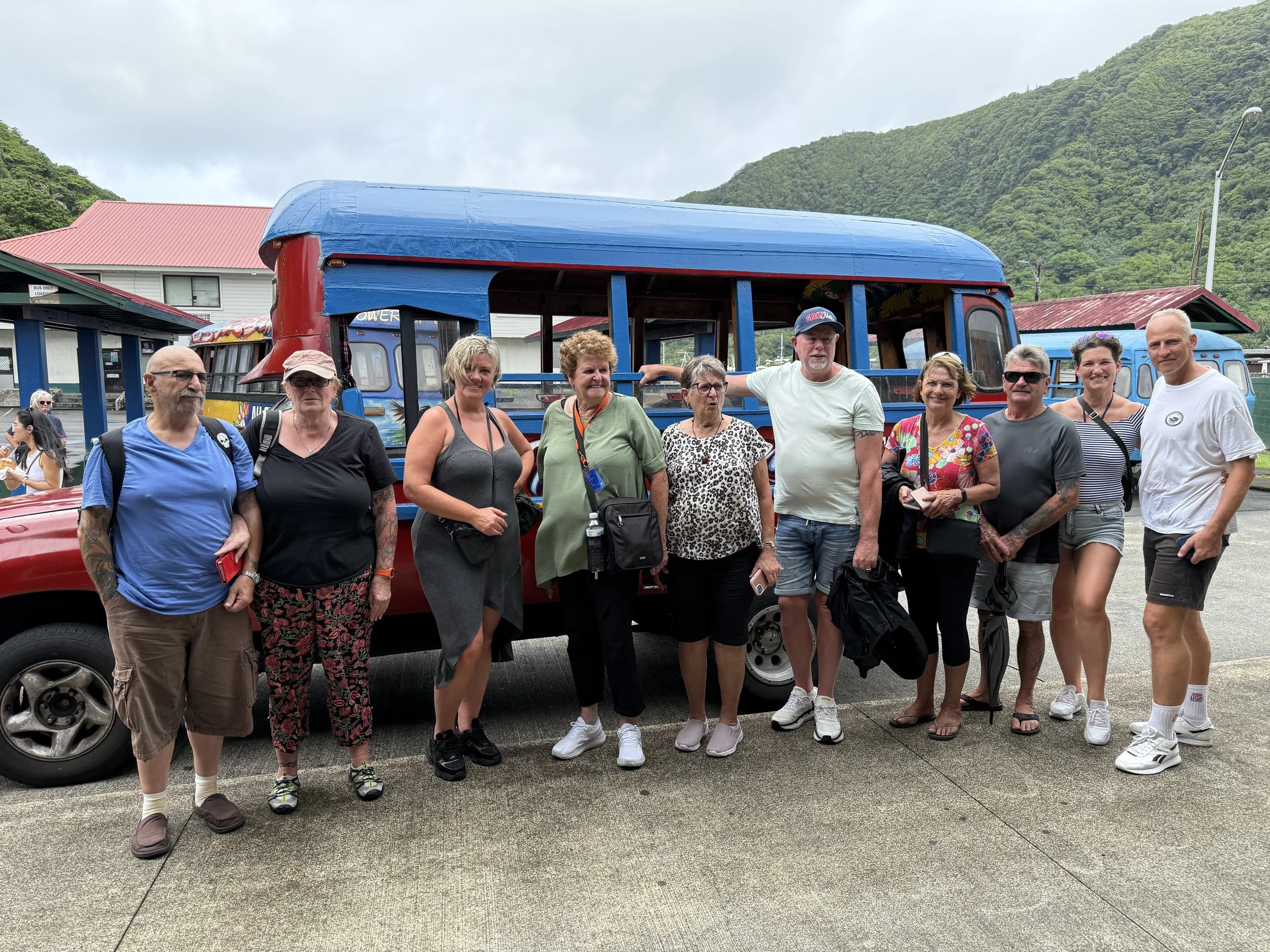
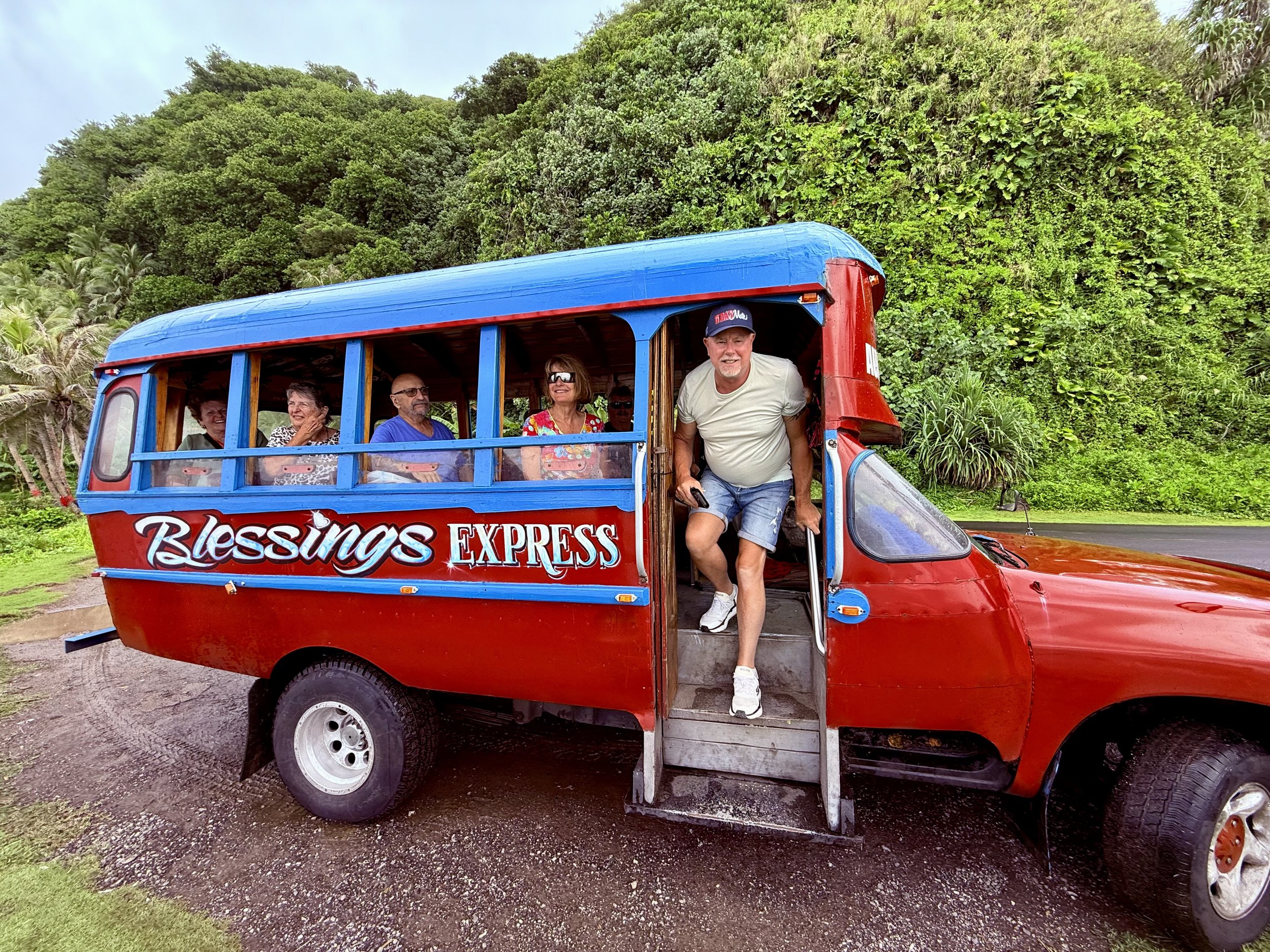
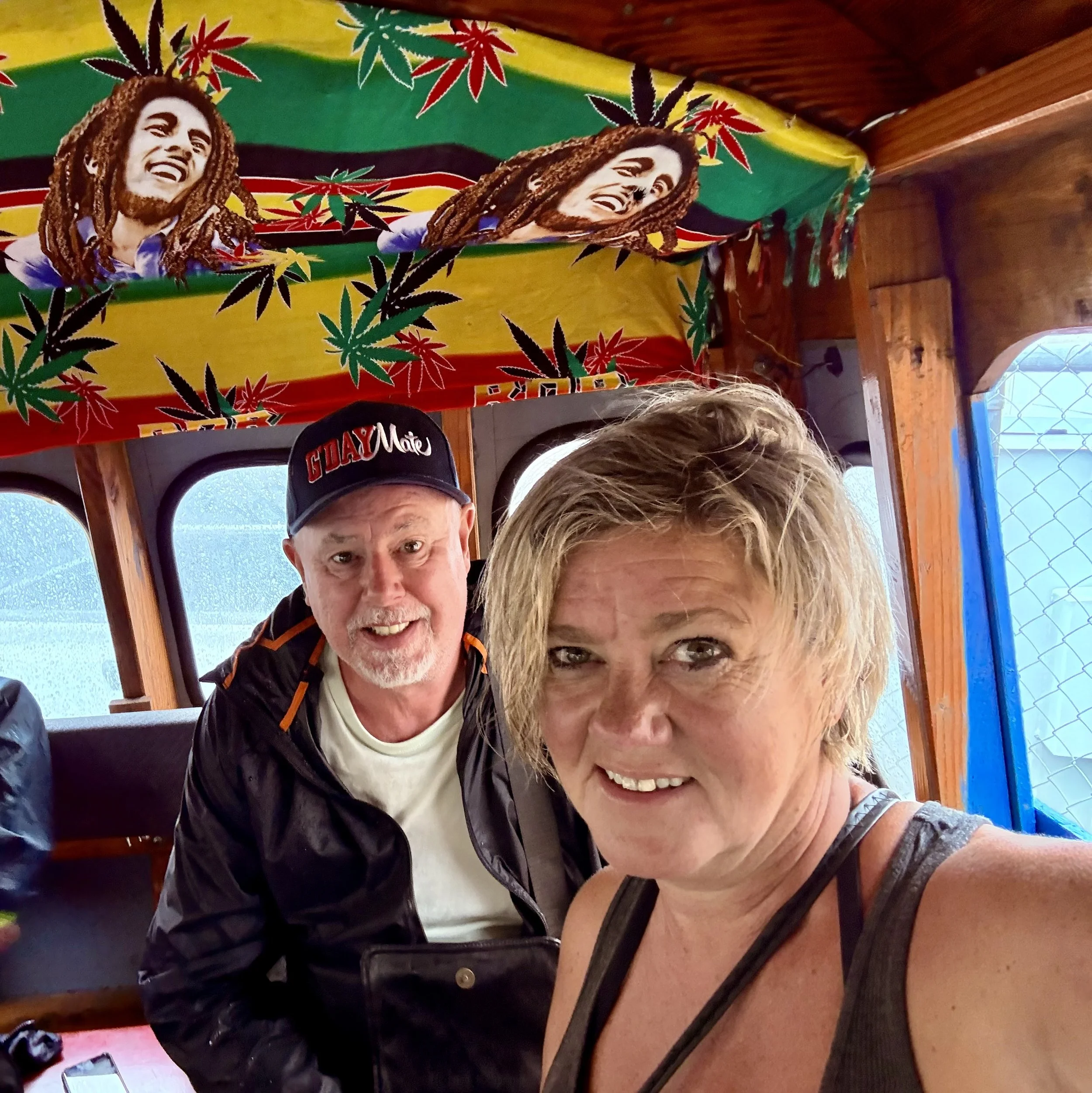
One of the best things about Pago Pago are the mini buses that zip around the island. These buses aren’t just transport—they’re cultural icons. Each one is brightly painted, often in neon blues, yellows, purples, and greens, decorated with names like Island Cruiser, Sweet Lady, or Samoa Love. The interiors are just as charming, with colourful curtains, wooden benches, and lively music—usually Samoan reggae or island pop—playing loudly as you rattle along the coast. Drivers honk, wave, and stop anywhere for you. Windows are usually wide open to let in the humid air, and every ride feels like a community experience rather than simple transportation. Watching them scoot around corners, packed with locals chatting and laughing, adds so much life to the island’s atmosphere.
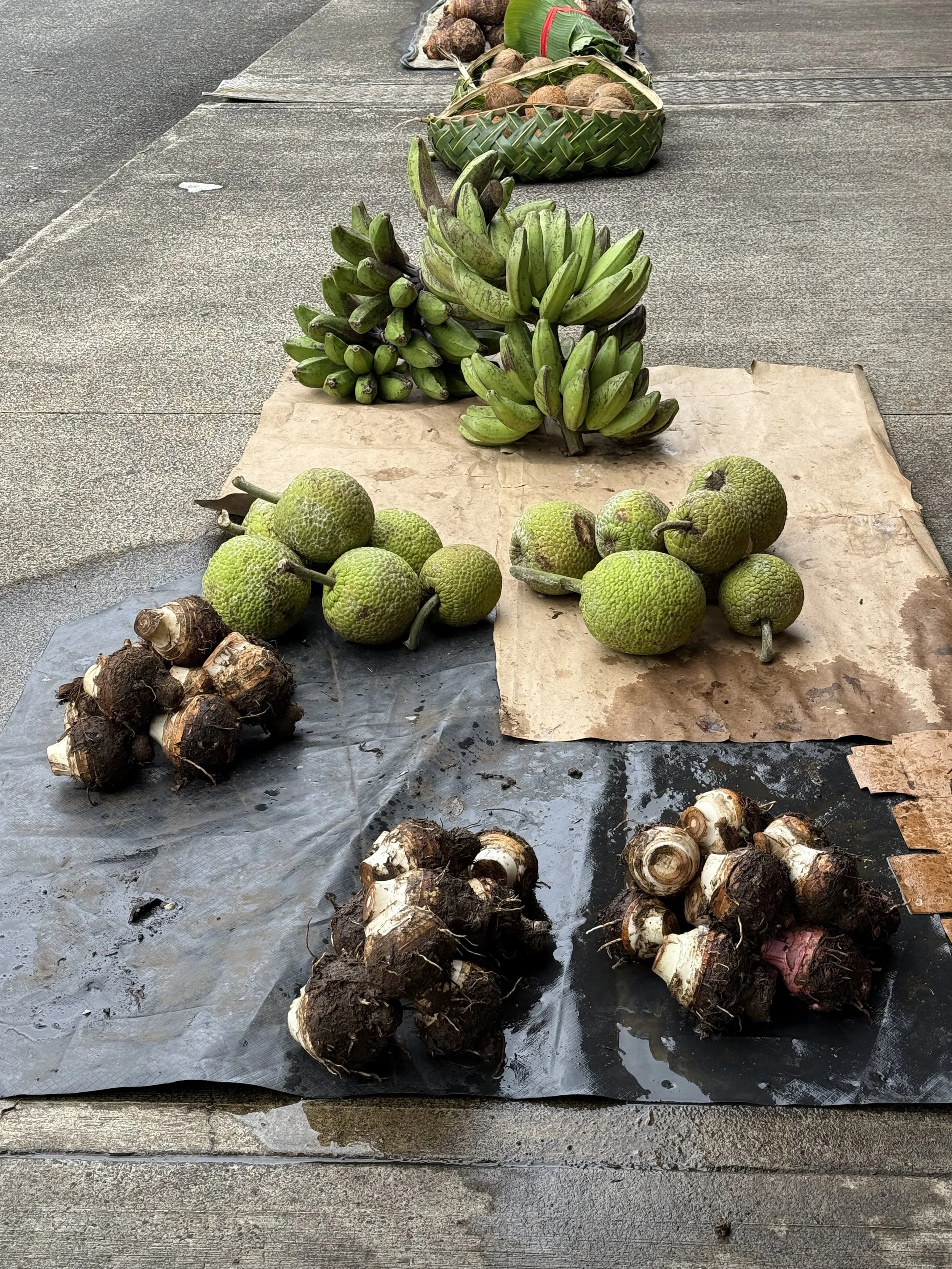
At the Fagatogo Market, the produce is as vibrant as the island itself. Tables overflow with pineapples so sweet they perfume the whole market, green coconuts ready to be chopped for fresh juice, bananas and plantains in multiple varieties, Papayas, mangoes, and starfruit, Taro and breadfruit, staples of the Samoan diet and handmade treats like coconut buns, pani popo, and banana bread. Vendors chat warmly as they arrange their baskets and bundles of leaves, and the atmosphere is relaxed, colourful, and full of the sounds of island life.
Pago Pago felt like a place suspended in time, where nature is wild, traditions are strong, and hospitality is woven into everyday life. From the bustling mini buses and vibrant markets to the dramatic scenery and peaceful beaches, every moment felt authentic and unforgettable. It’s the kind of destination that stays with you long after you leave.
American Samoa felt raw and real, the kind of place that reminds you how vast and connected our world really is.
#AmericanSamoa #PagoPago #IslandVibes #SouthPacificIslands #TravelInspo #TravelAdvisor #ExploreTheWorld #BucketListTravel #IslandCulture #SamoaTravel #TravelCommunity
2025-02
25 things to do in American Samoa
Explore National Park of American Samoa
Hike the Polynesian Trail
Visit Pago Pago Harbor
Relax at Faga’alu Bay Beach Park
Discover Alofi Village ruins
Snorkel at Pola Island
Kayak along Pago Pago Bay
Experience a traditional Samoan ‘ava ceremony
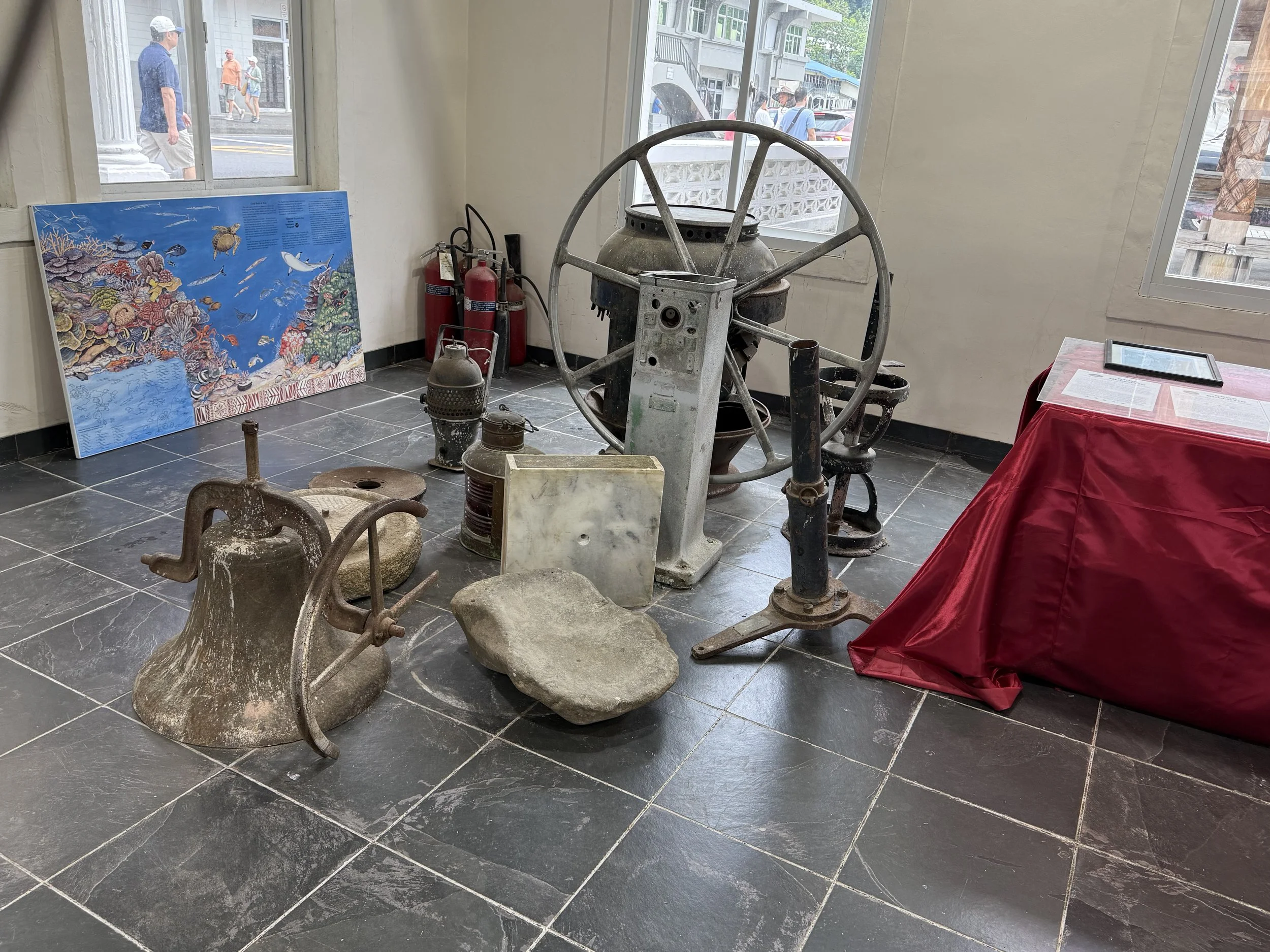
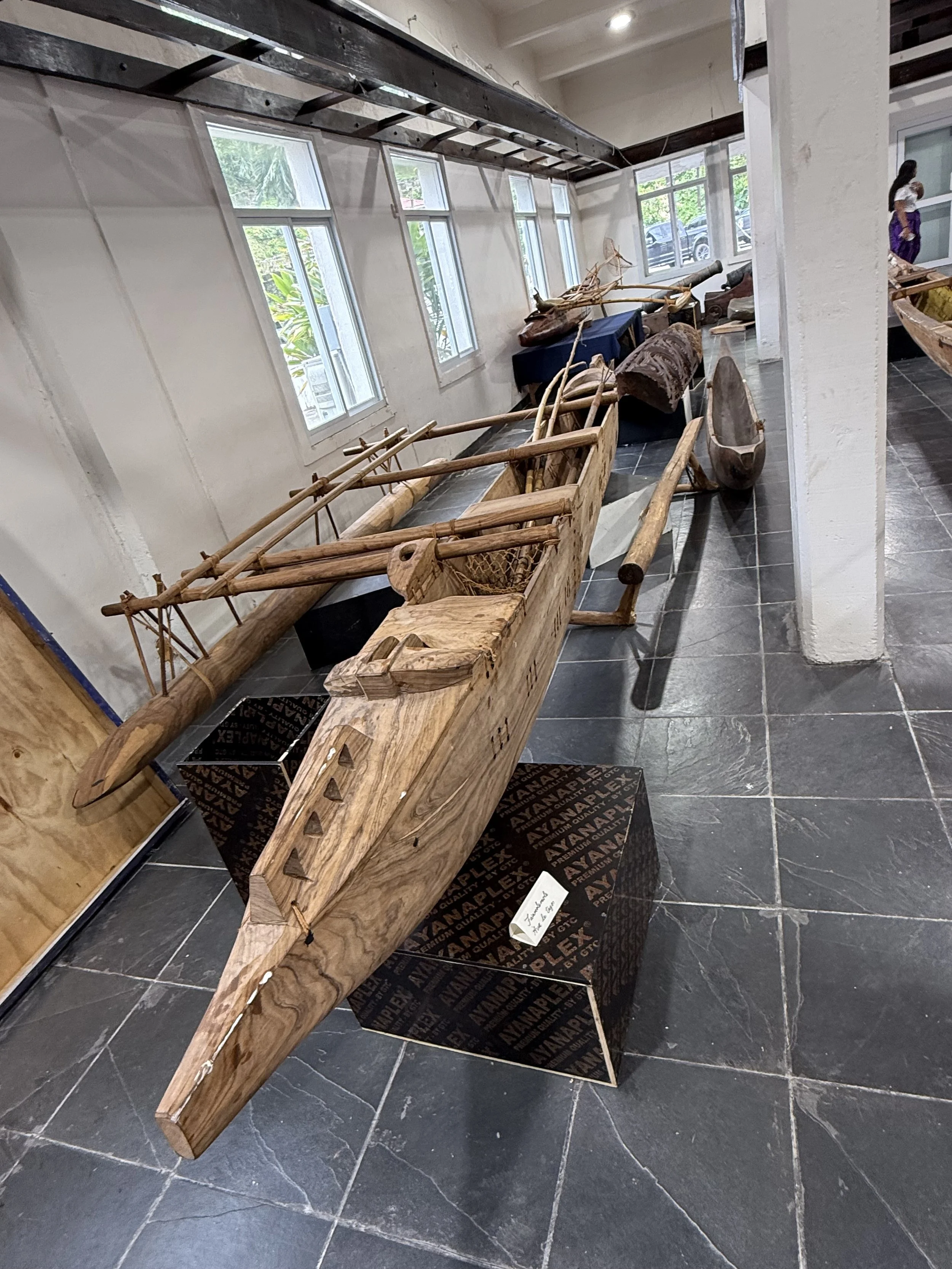
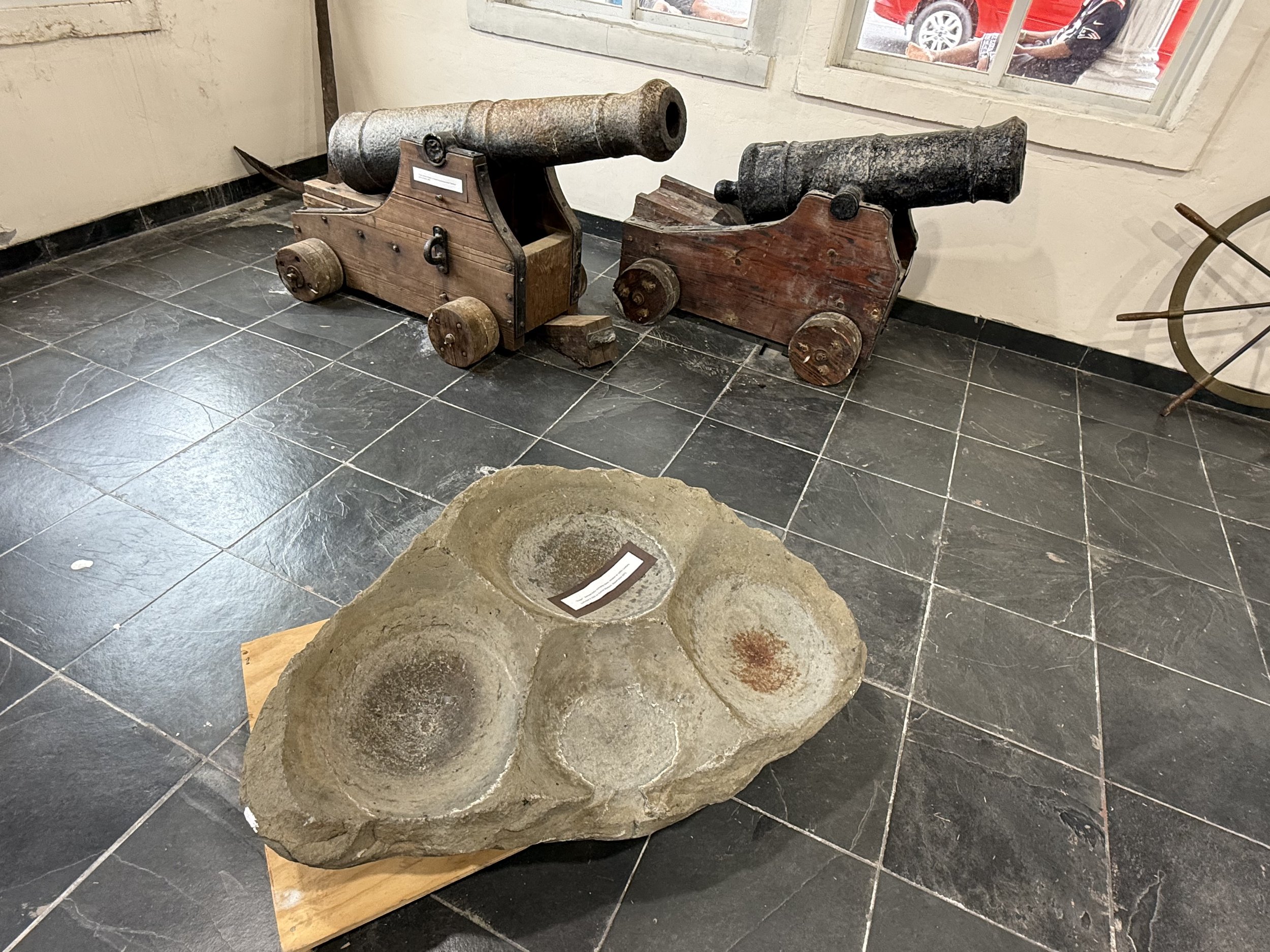
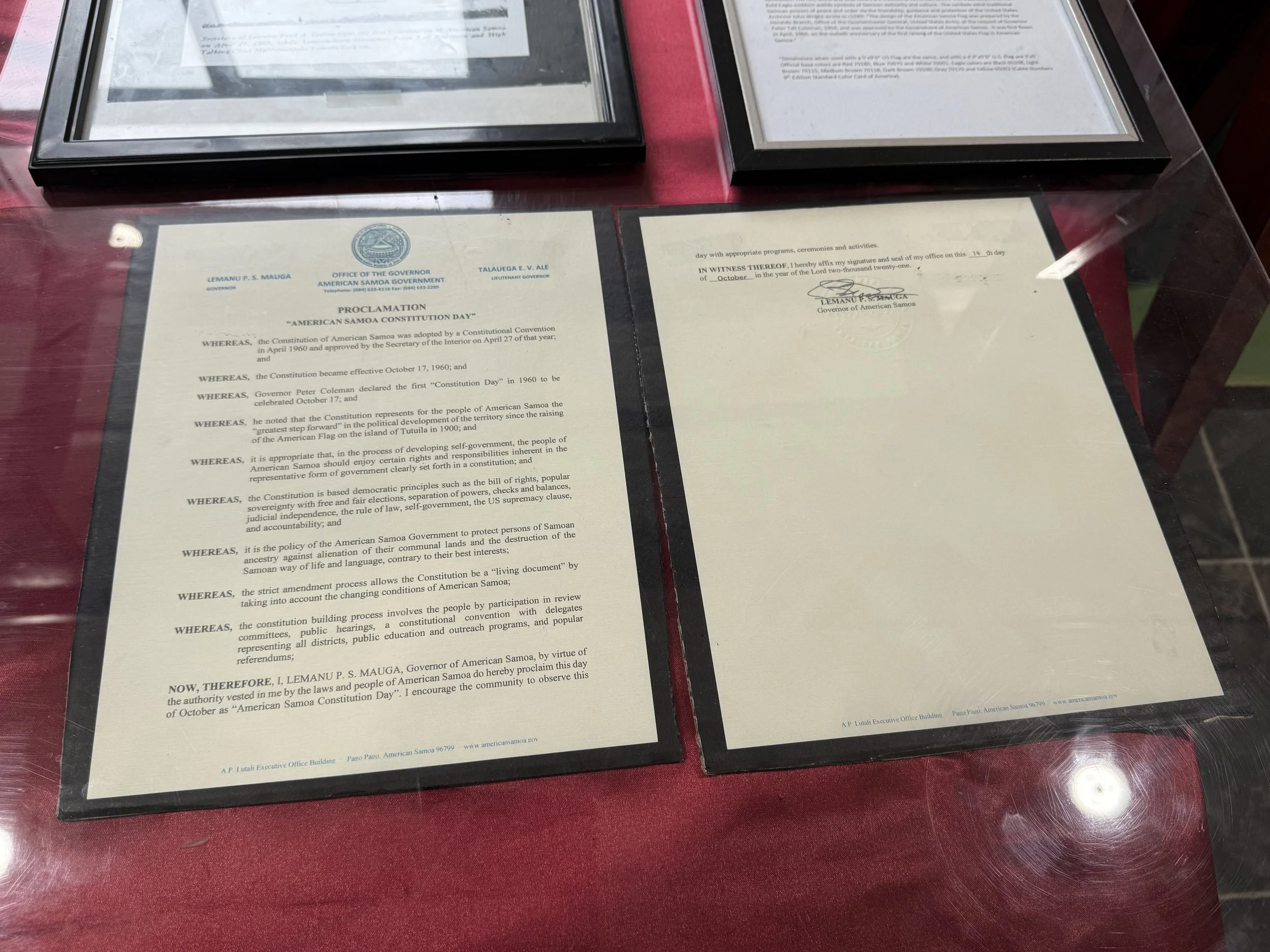
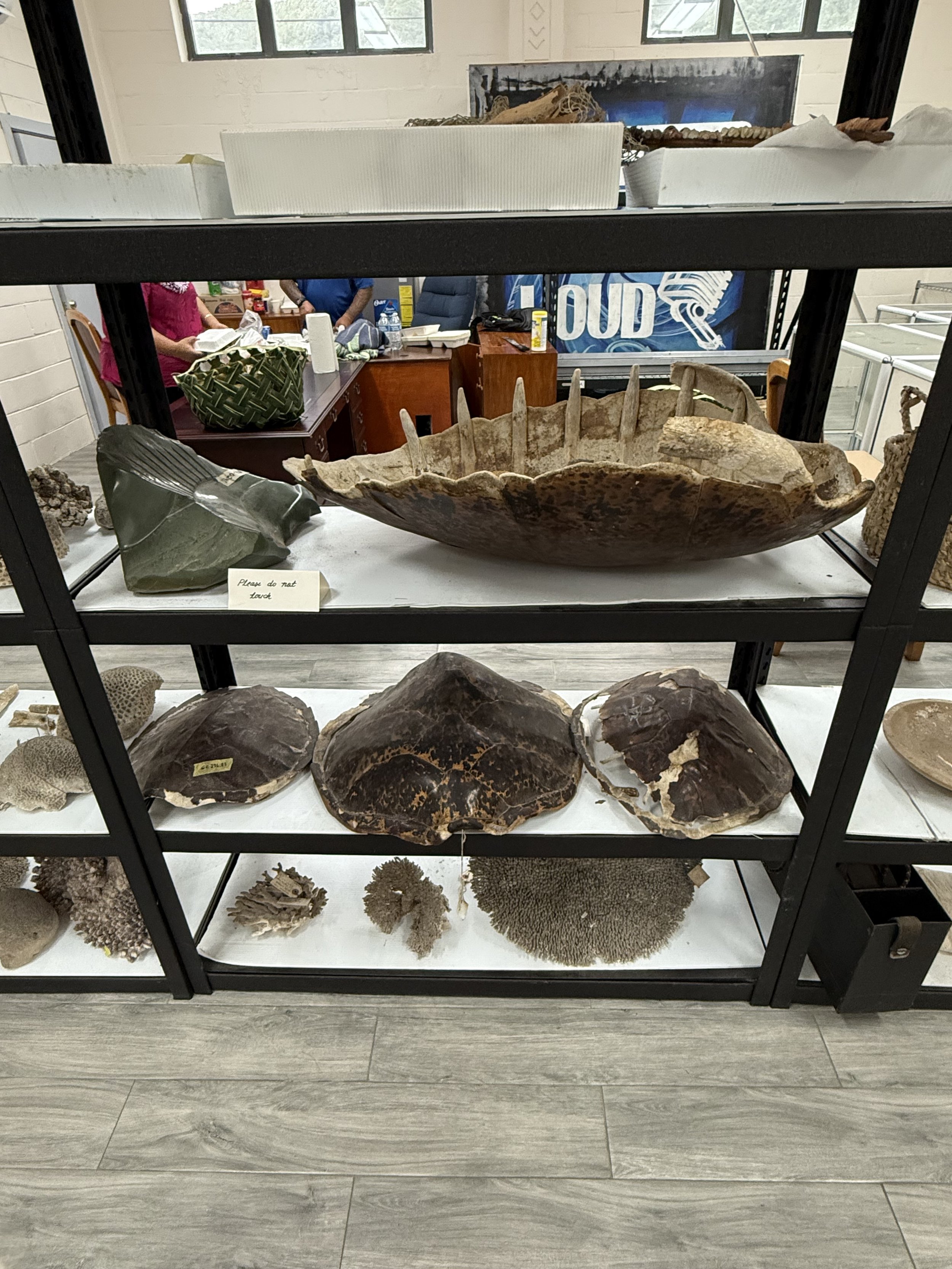
Visit Jean P. Haydon Museum
Swim in Alega Beach
Explore Tisa’s Barefoot Bar
Hike Mount Alava
Take a scenic drive along Cross Island Road
Watch the blowholes at Tutuila Island
Visit Rainmaker Pass
Go fishing with locals
Attend a Samoan cultural performance
Explore Ofu Beach and Lagoon
Hike to Fagatele Bay National Marine Sanctuary
Try local cuisine at marketplaces in Pago Pago
Visit Historic Leone Missionary Cemetery
Go whale watching (seasonal)
Explore Vatia Village
Photograph dramatic coastal cliffs
Relax and watch the sunset at Onenoa Beach